
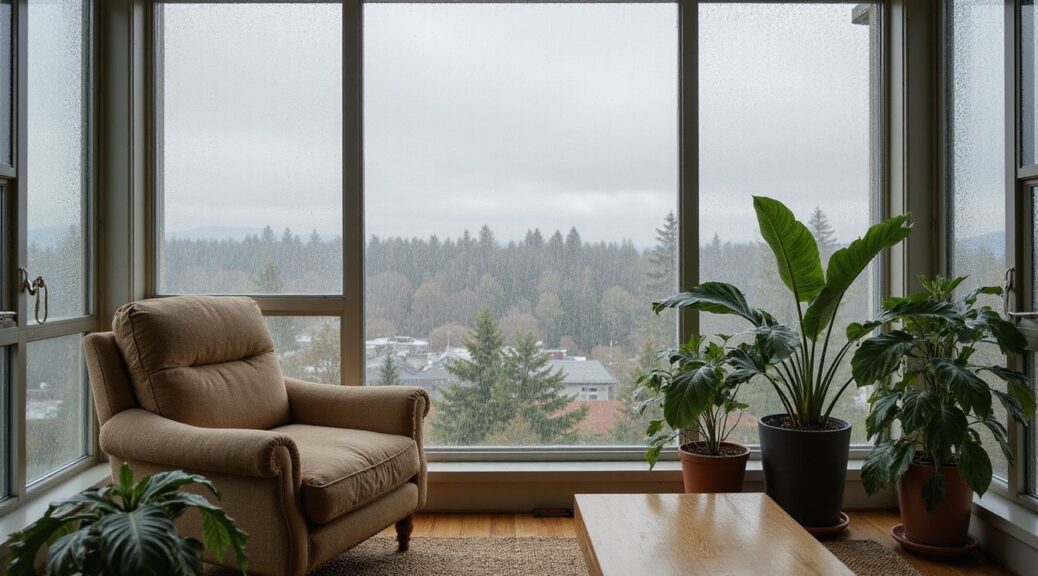
Choosing between 3-season and 4-season sunrooms can be tricky, especially with Vancouver’s changing weather. Many homeowners wonder if a standard sunroom or single glass sunroom is warm enough through the year.
This guide explains the features of each type, including glazing options and tips for using your sunroom as building entry or an extension cover.
Key Takeaways
- 3-season sunrooms are best for spring, summer, and autumn in Vancouver. They use basic insulation and single-glazed glass. They may feel a bit cold in winter.
- 4-season sunrooms have thicker walls, double-glazed windows, and strong insulation. These features keep the space warm in winter and cool in summer, so you can use them all year.
- Vancouver has a mild, rainy climate with cool, damp winters. A 4-season sunroom lets you enjoy your space during wet or chilly months. A 3-season sunroom is better for warm, sunny days but is less useful in winter.
- Choose a 3-season sunroom if you want an affordable extra room for use in mild weather. Pick a 4-season sunroom if you want comfort and use in every season, no matter the weather.
- Think about your budget and how often you want to use your sunroom. More insulation and heating in a 4-season sunroom means higher costs but year-round comfort.
Features and Uses of 3-Season Sunrooms
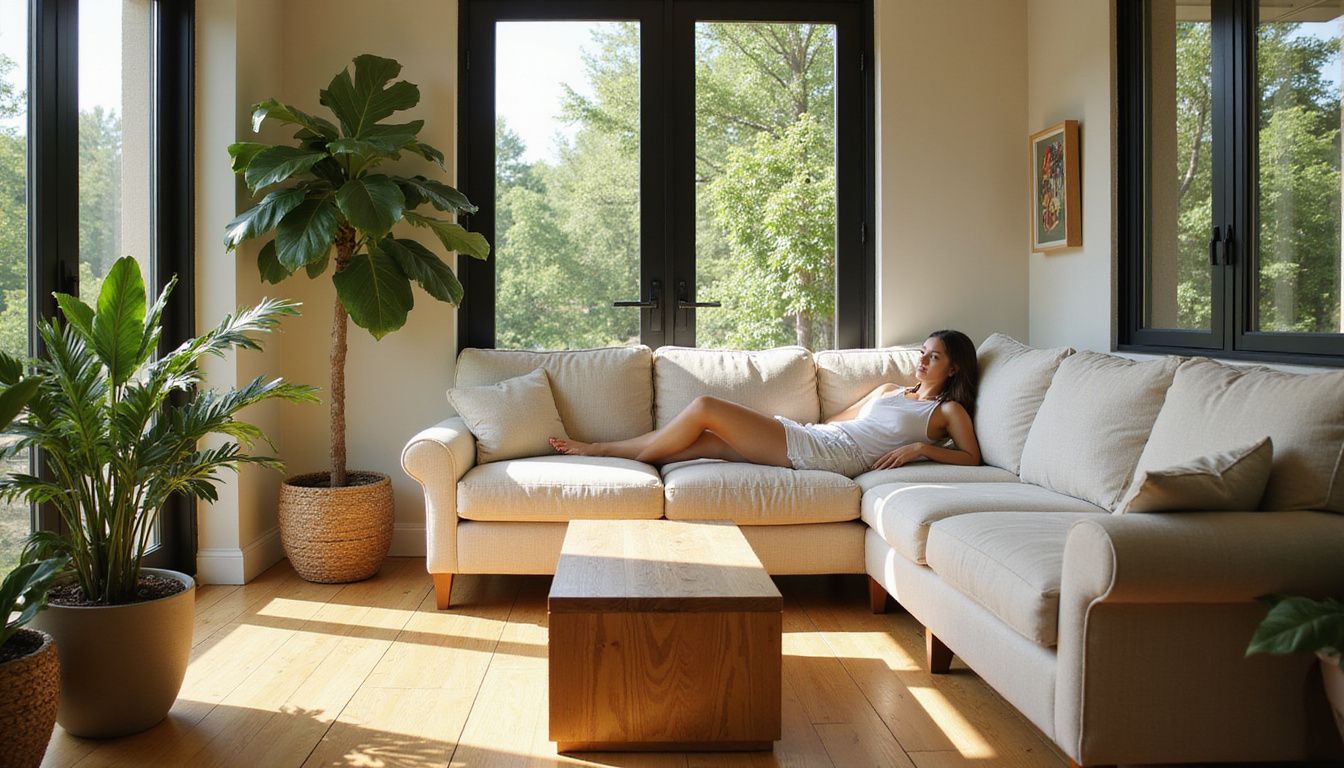
3-season sunrooms are perfect for enjoying the spring and summer months. They offer large windows that let in plenty of light, making your space feel open and bright.
What are the main features of 3-season sunrooms?
Most 3-season sunrooms use lightweight frames and single-glazed glass. These spaces let you enjoy the outdoors in spring, summer, and autumn. Basic insulation works for mild days but does not stop the chill in winter.
Builders often use aluminium or vinyl for frames. Sliding windows let in fresh air and sunlight. A 3-season sunroom as building entry often skips heavy-duty heating and cooling.
You can use patio furniture, plants, or even toys for the kids in these rooms. Choose from many glazing sunroom styles to match your home’s look. Most people find these sunrooms cost less to build than 4-season options.
When is a 3-season sunroom the best choice?
A 3-season sunroom fits well for people who want extra living space in spring, summer, and autumn. If you enjoy fresh air during mild nights or sunny afternoons, this type will give you a bright space to relax.
Vancouver’s winters stay mild but still bring chilly temps and wet days from November to March. Many homeowners close their 3-season sunrooms in colder months, since these rooms have less insulation than 4-season options.
If your main goal is having a cosy spot for reading or hosting friends during the warmer parts of the year, a 3-season room offers a budget-friendly solution. You can save money on construction because these rooms do not need heavy insulation or extra HVAC systems.
Sliding windows let you catch breezes while keeping out bugs and light rain. For people who want indoor-outdoor living without the higher cost of year-round comfort, the 3-season sunroom ticks all the boxes.
Features and Uses of 4-Season Sunrooms
4-Season sunrooms have strong insulation and heating. They keep you warm in winter and cool in summer. You can enjoy them all year long, no matter the weather outside. Many people use these spaces as extra rooms for relaxing or entertaining.
What are the main features of 4-season sunrooms?
Double-glazed windows and insulated walls keep heat in during winter and cool air inside on hot days. 4-season sunrooms offer full heating and cooling systems, making them comfortable all year in cities like Vancouver with mild and wet winters.
Strong weather seals block out wind, rain, and snow, so you can enjoy natural light without shivering or sweating.
Many homeowners add electrical outlets for lighting or entertainment devices. Energy-efficient frames help lower power bills, even as you relax or work from your sunroom in January or July.
Construction meets strict building codes to handle heavy rain or a rare snowfall that sometimes arrives in the Lower Mainland.
When is a 4-season sunroom the best choice?
After looking at the features of 4-season sunrooms, it’s clear they suit people who want comfort year-round. Vancouver gets lots of rain and cooler months. A 4-season sunroom stays warm even on chilly winter days, thanks to insulated glass, full heating, and sturdy frames.
If you want to enjoy your sunroom in both January rain and July sun, this option may suit your needs more adequately.
People who work from home, or need more living space, love the flexibility. You can turn a 4-season sunroom into an office, playroom, or cosy spot no matter the season. For those who need space that feels like part of the house, all with a great view and shelter from wet West Coast weather, this sunroom is a smart pick.
Key Differences Between 3-Season and 4-Season Sunrooms
3-season sunrooms have basic insulation. They are great for spring and summer days but may not keep you warm in winter. On the other hand, 4-season sunrooms feature strong insulation and heating. This makes them comfy all year long, even on chilly Vancouver nights.
How do insulation and heating compare in 3- and 4-season sunrooms?
Insulation and heating play key roles in sunrooms. 3-season sunrooms have basic insulation. They keep out some of the cold, but are not great for winter. This means they usually stay cool when temperatures drop.
Heating options can be limited, so these rooms work best in spring and summer.
4-season sunrooms offer better insulation. They use thicker walls and double-glazed glass to hold heat inside. This makes them cosy even in winter months. You can use heaters or electric sources to keep the space warm year-round, making them more suitable for Vancouver’s chillier weather.
Can you use 3-season and 4-season sunrooms year-round?
3-season sunrooms are great for spring, summer, and autumn. They offer a nice place to enjoy the outdoors but lack good insulation and heating. Because of this, they can feel cold in winter months.
On the other hand, 4-season sunrooms have better insulation and heating options. This makes them cosy enough to use all year long, even during chilly weather. You can relax there in any season without worrying about being too cold or hot.
Which Sunroom Works Best for Vancouver’s Climate?
Vancouver has a mild and wet climate. You need to think about the rain and temperature when choosing a sunroom.
What factors should you consider for Vancouver’s weather?
Vancouver has a mild climate, with lots of rain and clouds. The summers are warm, but they can also be rainy. Winters are usually cool and damp, not very cold compared to other places.
Think about how much sun you want in your sunroom. A 4-season sunroom gives more heat during the chilly months. A 3-season sunroom works better for spring and summer fun but might feel cold in winter.
Also consider how often you like using your space throughout the year; this will help you choose wisely based on Vancouver’s unique weather patterns.
Conclusion
Both 3-season and 4-season sunrooms have their perks. Choose a 3-season sunroom for casual use in warmer months, perfect for enjoying summer days. Opt for a 4-season model if you want to enjoy your space all year round, even during chilly winters.
Think about how often you’ll use it and the kind of weather Vancouver brings. Each option can add beauty and comfort to your home!
FAQs
1. What is the main difference between 3-season and 4-season sunrooms for Vancouver’s climate?
A 3-season glass room is comfortable from spring through early fall. It lacks full insulation, so it feels cold in winter. A 4-season conservatory has strong insulation and heating options; you can enjoy it year-round even when temperatures drop.
2. Which type of sunroom works best in Vancouver’s mild but rainy weather?
A 4-season conservatory stands up better to rain, wind, and cool air that are common on the West Coast. Its insulated walls and advanced windows keep warmth inside while blocking dampness.
3. Do both types of sunrooms add value to a home in Metro Vancouver?
Both add value by giving extra living space. However, a 4-season conservatory offers more usable days each year; buyers often see it as a bigger upgrade.