
Maintaining a clean patio cover not only enhances your outdoor space’s appearance but also extends its lifespan significantly. Understanding how to clean different patio cover materials safely is essential for every homeowner who wants to protect their investment while ensuring a welcoming outdoor environment.
Whether your patio cover is made from wood, aluminum, polycarbonate, or fabric, each material requires specific cleaning approaches to avoid damage while effectively removing dirt, mold, and other contaminants.
Regular cleaning prevents the buildup of harmful elements like mildew, algae, and environmental pollutants that can cause permanent staining or structural deterioration. By following proper cleaning techniques, you’ll maintain your patio cover’s functionality and aesthetic appeal for years to come.
Key Takeaways
- Every patio cover material has its own safe cleaning method: wood benefits from oxygen bleach and resealing, aluminum needs non-abrasive washing, polycarbonate requires very gentle care, and fabric must always be fully dried.
- Consistency matters more than intensity – light monthly rinses and seasonal deep cleans prevent buildup and reduce the need for harsh treatments.
- Protective treatments such as wood sealers, aluminum coatings, UV protectants, and water-repellent sprays extend the life of each material.
- When in doubt, or for hard-to-reach structures, professional cleaning is the safest way to protect both your cover and your warranty.
Essential Safety Precautions for Patio Cover Cleaning
Before diving into material-specific cleaning methods, establishing proper safety protocols is crucial. Always wear protective gear including rubber gloves, safety glasses, and non-slip shoes when cleaning patio covers. Test any cleaning solution on an inconspicuous area first to ensure it won’t cause discoloration or damage.
Choose calm weather days for cleaning to prevent solutions from drying too quickly or being blown onto surrounding plants and surfaces. Ideally, clean when temperatures are mild (10–25°C) and avoid direct midday sun. Protect nearby vegetation with tarps or give it a thorough rinse before and after cleaning to minimize chemical exposure.
Ensure proper ventilation when using stronger products, and keep pets and children away from the area. If your patio cover is particularly high or difficult to reach, consider hiring professional services to avoid injury risks. A sturdy ladder on level ground is essential, and homeowners in Surrey should take extra care on damp days when surfaces can be slippery.
Never mix different cleaning chemicals – combinations like bleach and ammonia can produce dangerous fumes. Always read and follow manufacturer instructions, and keep a water source readily available for immediate rinsing if needed.
Cleaning Wood Patio Covers Safely
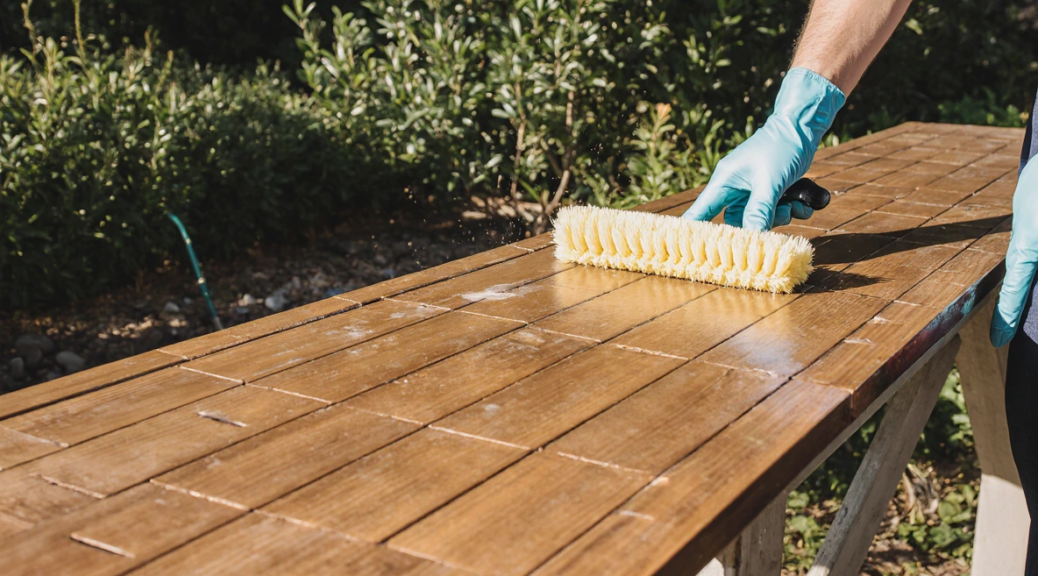
Wood patio covers present unique challenges due to their porous nature and susceptibility to moisture. The best cleaner for wood typically includes a mild soap solution, or a specialized outdoor wood cleaner. Loose debris should be brushed away first, and the surface rinsed gently with low-pressure water to prevent moisture from forcing into the grain.
Soap and warm water are usually sufficient for surface dirt, but where mold or mildew develops, an oxygen bleach solution (sodium percarbonate) is safer than chlorine bleach. Let it sit for 10–15 minutes before rinsing thoroughly. Avoid high-pressure washers – even at low settings, they can damage wood fibers or drive water deep into the structure.
Once the cover is clean, it must dry completely before applying a sealer or stain. This protective step is crucial in Surrey’s damp coastal climate, where untreated wood quickly absorbs moisture and begins to rot. Canadian building science research, such as the CMHC’s technical guide on wood-frame envelopes in BC’s coastal climate, emphasizes the importance of moisture control and protective finishes for wood durability in regions like Metro Vancouver.
Safe Aluminum Patio Cover Cleaning Methods
Aluminum patio covers are relatively low-maintenance but require a gentle approach to keep their finish intact. Dust and dirt can be removed with a light rinse, followed by a wash with a diluted car wash soap or mild household cleaner. Working in small sections helps prevent streaks as the solution dries.
For stubborn water spots, a diluted white vinegar rinse is effective, but it must be followed by a fresh-water rinse to avoid etching. Homeowners in coastal or high-humidity environments – including Surrey – should be especially diligent, as salt and dampness accelerate spotting and oxidation. Applying a non-abrasive protective coating after cleaning can extend the cover’s shine.
Abrasive pads, harsh scrubbing powders, and steel wool should never be used, since scratches become entry points for corrosion.
Cleaning Polycarbonate Patio Cover Materials
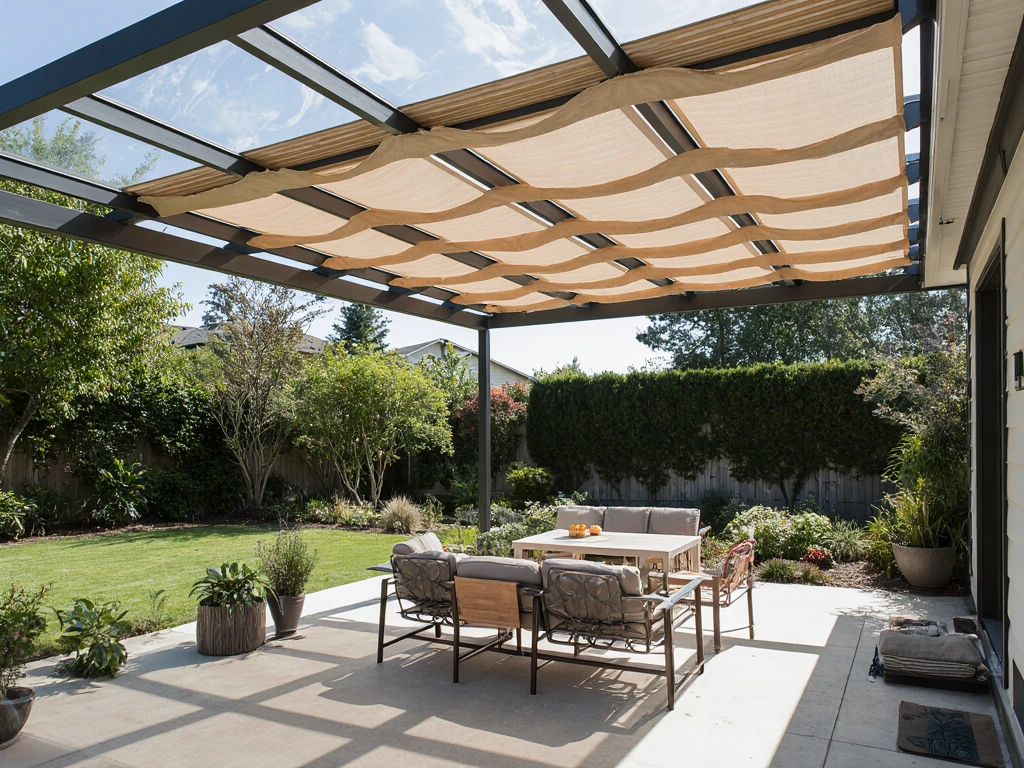
Polycarbonate covers require extra caution to avoid scratches or clouding. Begin by rinsing thoroughly with lukewarm water to remove grit that might otherwise abrade the surface. Use a very mild soap or baby shampoo in warm water, applied with a soft cloth or sponge. Instead of scrubbing in circles, wipe in straight motions to avoid swirl marks.
Never use ammonia-based glass cleaners, solvents, or abrasive pads, all of which can cause permanent yellowing and surface crazing. For stubborn marks like sap or bird droppings, a very diluted solution of isopropyl alcohol can sometimes be used, but should always be tested on a hidden section first.
Polycarbonate panels often include UV-protective coatings, and keeping them free from grit helps preserve those layers. This also makes them perfect for your custom sunroof, offering the same light-filled atmosphere as a polycarbonate cover, but with year-round usability and even less exposure to the elements.
Fabric Patio Cover Cleaning Techniques
Fabric patio covers, including retractable awnings and canopies, require specific care to maintain water resistance and vibrant colour. Begin by brushing away loose dirt and rinsing the fabric thoroughly with a garden hose. A gentle soap solution or a specialized outdoor fabric cleaner can then be worked into the surface with a soft brush.
For mildew, oxygen bleach solutions are sometimes safe, though homeowners should always confirm with the manufacturer before use to avoid stripping away water-repellent coatings. After cleaning, rinse until the water runs completely clear, as leftover soap will attract new dirt.
Drying is the most important step: the fabric must air dry completely before it is retracted or stored. Putting fabric away damp is one of the fastest ways to encourage mold growth. Once dry, reapplying a waterproofing spray helps the material shed water and resist UV damage.
Preventing Future Buildup and Maintenance Tips
Implementing consistent maintenance practices dramatically reduces the need for heavy scrubbing. Light rinses every month or two keep dirt and pollen from sticking, while trimming back trees prevents sap, leaf litter, and bird droppings. In Surrey’s moist climate, homeowners often find that a spring and fall cleaning routine keeps covers fresh, though shaded or north-facing structures may need extra attention.
Quick responses to spills and stains make a major difference: the sooner contaminants are removed, the less likely they are to leave permanent marks. Improving airflow around the cover, whether through pruning or by adding fans, also helps reduce mold buildup in damp corners.
Protective treatments should be applied as recommended by the manufacturer. Wood covers benefit from annual sealing, polycarbonate panels may require occasional UV-protective coatings, and fabric canopies should be treated with water-repellent sprays after cleaning. A regular inspection of gutters, seams, and flashing will also ensure that water drains properly rather than pooling against structural elements.
In cases where treated wood has been used for construction, guidelines from the Government of British Columbia on treated wood stress the importance of safe handling and long-term maintenance in wet environments.
Conclusion
Understanding how to clean different patio cover materials safely protects your investment while maintaining an attractive outdoor living space. Each type of cover has its own needs: wood requires resealing, aluminum responds best to gentle cleansers, polycarbonate demands the most delicate care, and fabric must always be thoroughly dried. By combining proper techniques with seasonal maintenance, you’ll keep your patio cover looking great and functioning reliably for many years.
For tricky stains, tall structures, or warranty-sensitive installations, professional help is the safest choice. CWX Patio Covers not only installs custom patio covers across Surrey and Metro Vancouver but also provides ongoing support to help homeowners maintain them, ensuring every structure continues to provide beauty and protection from the elements.