
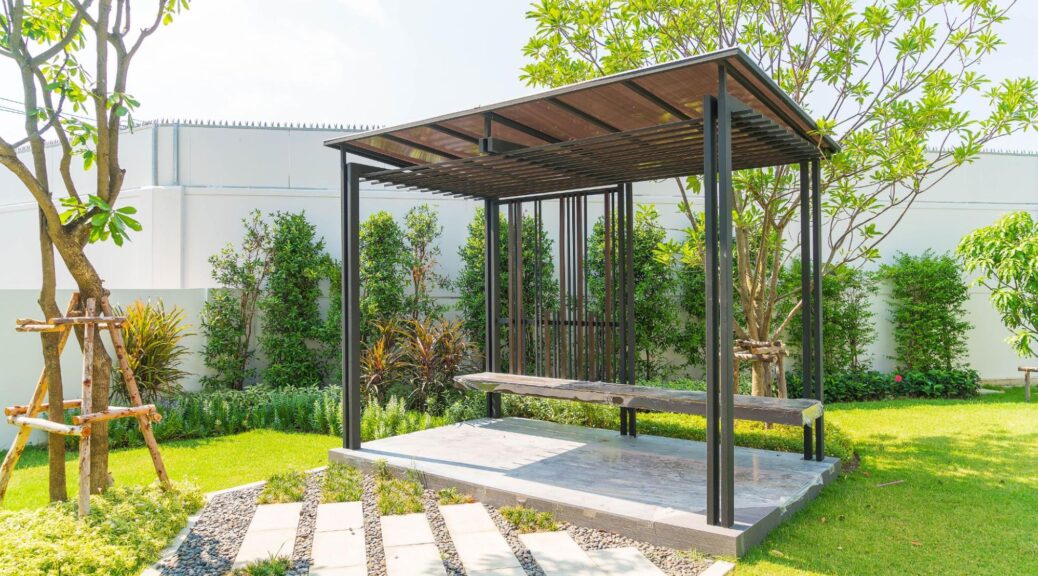
When planning your perfect outdoor living space, comparing patio cover types becomes essential for creating a functional and beautiful area. The right patio cover can transform your backyard into a comfortable retreat while protecting you from sun, rain, and wind. Whether you’re considering pergolas, gazebos, awnings, or solid covers, each option offers unique benefits and drawbacks that suit different needs and preferences.
Understanding the differences between these outdoor shade structures will help you make an informed decision that matches your climate, budget, and lifestyle requirements.
Understanding the Four Main Patio Cover Types
Pergolas: Open-Air Elegance
Pergolas feature an open lattice roof design supported by vertical posts, creating partial shade while maintaining excellent airflow. These structures typically consist of horizontal beams arranged in a grid pattern, allowing filtered sunlight to pass through.
Pros:
- Excellent ventilation and air circulation
- More affordable than enclosed options
- Perfect for climbing plants and vines
- Easy DIY installation for basic designs
- Versatile styling options from rustic to modern
Cons:
- Limited rain protection
- Provides only partial sun coverage
- Requires regular maintenance if made from wood
- Climbing plants need ongoing care
Pergolas work best in mild climates where occasional rain isn’t problematic and you primarily need sun filtering rather than complete protection.
Gazebos: Complete Outdoor Rooms
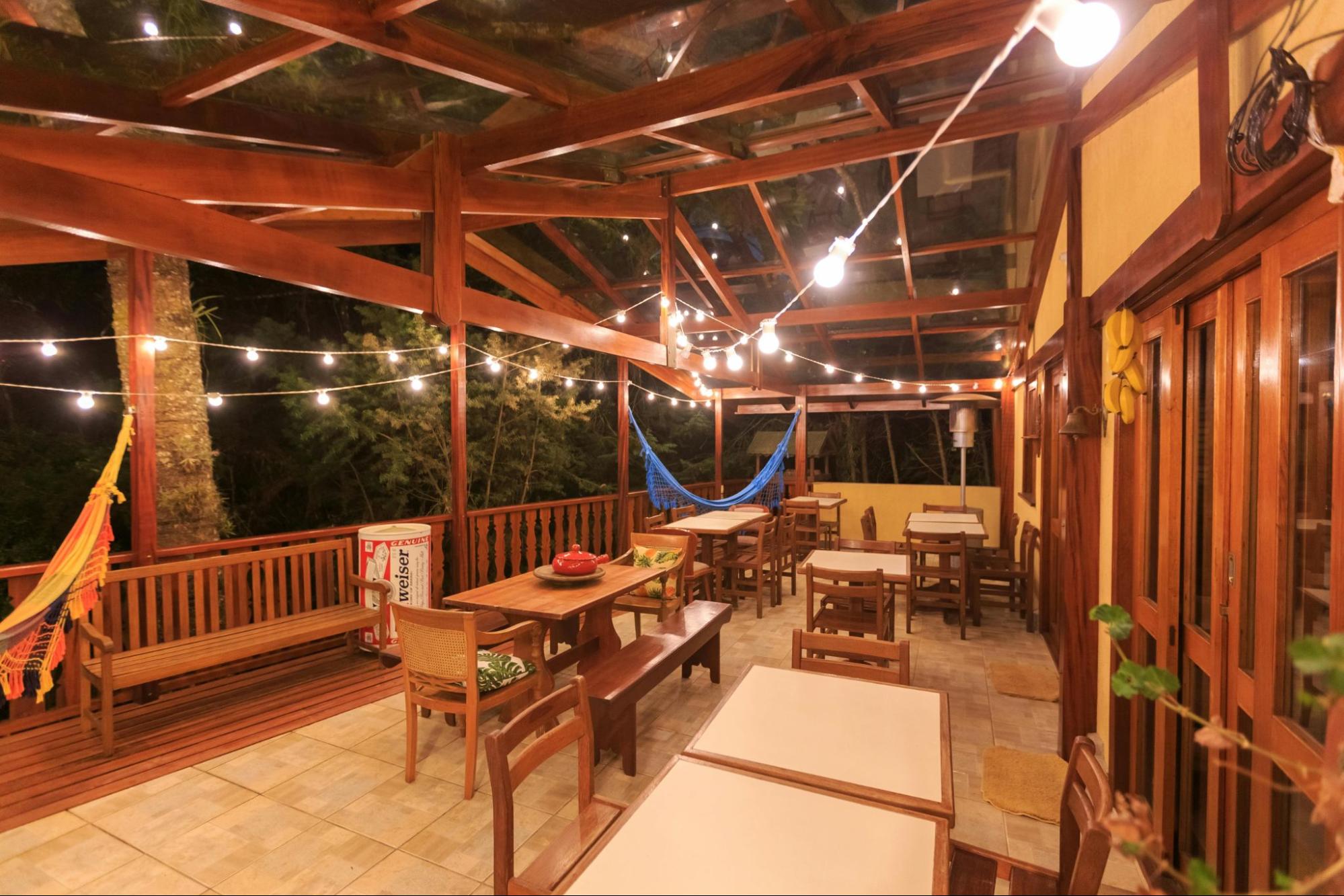
Gazebos are freestanding structures with solid roofs, typically featuring six to eight sides and often enclosed with screens or railings. They create a defined outdoor room separate from your house.
Pros:
- Excellent protection from sun, rain, and wind
- Creates a private retreat space
- Often includes built-in seating or features
- High aesthetic appeal and property value boost
- Can accommodate lighting and ceiling fans
Cons:
- Higher cost than other options
- Requires professional installation for permanent structures
- Takes up significant yard space
- Limited placement flexibility once installed
Gazebos excel in larger yards where you want a dedicated outdoor entertaining space with maximum weather protection.
Awnings: Flexible Sun Control
Awnings attach directly to your house and extend outward to cover patio areas. They come in retractable and fixed varieties, offering adjustable shade solutions.
Pros:
- Retractable options provide flexibility
- Good sun and light rain protection
- Space-efficient design
- Can reduce indoor cooling costs
- Available in numerous colors and patterns
Cons:
- Limited coverage area compared to freestanding options
- May require professional installation for motorized versions
- Fabric options need replacement over time
- Not suitable for heavy rain or snow loads
Awnings work particularly well for smaller patios and decks where you want controllable shade without permanent structures.
Solid Patio Covers: Maximum Protection
Solid covers feature opaque roofing materials like metal, tile, or wood, providing complete protection from weather elements. These can be attached to your home or built as freestanding structures.
Pros:
- Complete sun, rain, and snow protection
- Longest lifespan with minimal maintenance
- Can support ceiling fans and lighting fixtures
- Excellent for year-round outdoor use
- Increases property value significantly
Cons:
- Highest upfront cost
- Blocks all natural light
- Requires professional installation
- May need building permits
- Limited ventilation without additional features
Solid covers are ideal for regions with intense sun, frequent rain, or where you want true outdoor living spaces regardless of weather.
Key Comparison Factors
Protection Level
When comparing patio cover pros and cons for weather protection:
- Solid covers: Excellent (90-100% protection)
- Gazebos: Very good (80-90% protection)
- Awnings: Good (70-80% protection)
- Pergolas: Fair (30-50% protection)
Cost Considerations
Budget ranges vary significantly based on size, materials, and installation:
- Pergolas: $500-$5,000
- Awnings: $800-$4,000
- Gazebos: $2,000-$15,000
- Solid covers: $3,000-$20,000+
Maintenance Requirements
- Low maintenance: Solid covers (metal/vinyl)
- Medium maintenance: Gazebos, awnings
- High maintenance: Wood pergolas, fabric awnings
Choosing the Right Patio Cover for Your Needs
Climate Considerations
Hot, sunny climates benefit most from solid covers or gazebos for maximum shade. Mild climates can utilize pergolas effectively, while rainy regions require solid roofing or well-designed gazebos.
Intended Use
Consider how you’ll use your outdoor space:
- Dining areas: Need reliable weather protection (gazebos or solid covers)
- Lounging spaces: Can work with partial shade (pergolas or awnings)
- Pool areas: Require quick-drying, low-maintenance options
Home Architecture
Your patio cover should complement your home’s style:
- Traditional homes pair well with classic gazebos
- Modern homes suit sleek pergolas or contemporary solid covers
- Colonial styles work with awnings or traditional pergolas
Installation and Maintenance Tips
Most pergolas and simple awnings can be DIY projects for handy homeowners. However, gazebos and solid covers typically require professional installation due to structural requirements and building codes.
Regular maintenance varies by material:
- Clean fabric awnings seasonally
- Seal wooden structures annually
- Inspect metal components for rust or damage
- Trim vegetation around pergolas
Choose materials appropriate for your climate – aluminum and vinyl offer low maintenance, while wood provides natural beauty but requires more care.
Making Your Final Decision
When comparing patio cover types, consider your primary needs: Do you want maximum weather protection, flexible shade options, or decorative appeal? Factor in your budget for both initial installation and ongoing maintenance.
The best patio cover for rain protection would be a solid cover or enclosed gazebo, while those seeking aesthetic appeal with basic sun filtering might prefer a pergola with climbing plants.
Remember that covered patio ideas don’t have to be permanent – you might start with a retractable awning and upgrade to a solid cover later as your needs evolve.
Your perfect patio cover solution depends on balancing protection needs, budget constraints, maintenance preferences, and aesthetic goals. Take time to evaluate each option against your specific requirements to create the ideal outdoor living space for years of enjoyment.