
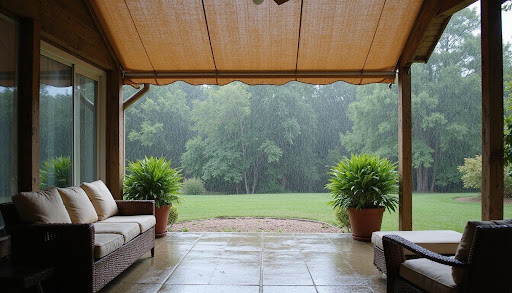
Rainy and cloudy days can make it hard to enjoy your backyard. Patio covers block rain and keep your space dry, letting you spend more time outside. This post will explain the different types like insulation board roof cover, big slop cover, general covers, car pool cover, and peak shape cover to help you pick the right one.
Stay with us for helpful tips on choosing a great patio cover.
Key Takeaways
- Patio covers protect outdoor spaces from rain and harsh weather, keeping furniture dry even in coastal cities with over 150 rainy days per year like Vancouver and Halifax.
- Weather-resistant materials such as coated aluminium and polycarbonate prevent leaks, rust, mould, and fading so your patio lasts longer with less maintenance.
- Different types include insulated board roof covers for energy efficiency, fixed aluminium canopies for durability, retractable awnings for flexibility, car pool covers for multipurpose use, and peak shape designs to shed water efficiently.
- Features like tight seams and gutter systems guide rainwater away to stop puddles from forming underneath during heavy storms or long wet seasons.
- Covered patios let you enjoy barbecues or gatherings all year by expanding living space outdoors; adding heaters or lights keeps the area cosy on gloomy Canadian days.
Benefits of Patio Covers in Rainy and Cloudy Locations
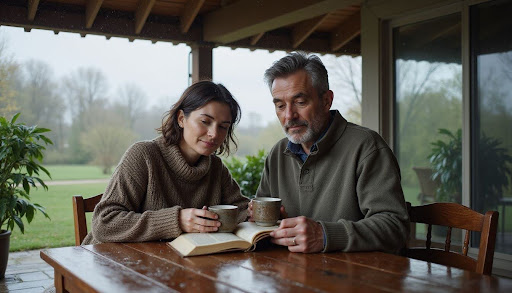
Patio covers give you shelter so you can use your outdoor space, even on wet or gloomy days. They also help protect your furniture and keep everything underneath dry and comfortable.
How do patio covers protect you from rain and weather?
A strong patio or car pool cover shields outdoor areas from harsh weather. Heavy rainfall hits the roof, leaving furniture and people underneath dry. Water-resistant materials like coated aluminium or polycarbonate prevent leaks and rust, even in coastal climates with over 150 rainy days each year.
Tight seams stop water from seeping through cracks during storms. Gutter systems guide rainwater away so puddles do not form beneath the cover.
Windbreaks built into some designs help block chilly gusts on cloudy days. UV-protective panels reduce exposure to harmful rays while letting in natural light when skies are grey. People can enjoy barbecues or read outside without worrying about drizzle ruining their plans.
This protection keeps cushions, grills, and other items safe from mould or fading caused by frequent wet weather across places like Vancouver and Halifax.
How can patio covers extend your outdoor living space?
Patio covers, and sunrooms, create a dry, comfortable area even during rainy or cloudy days. You can place furniture, plants, or grills outside without worrying about weather damage. Friends and family gather outdoors more often because the space feels inviting year-round.
Children play under shelter while adults relax with coffee or read a book.
Covered patios give you freedom to host barbecues or dinners regardless of rain showers. You can add outdoor lights and heaters for evenings that feel cosy in any season. People often decorate these spaces with cushions and rugs to mimic indoor comfort outside.
Enjoy your backyard longer each day as your living area naturally expands into nature’s beauty.
How do patio covers improve energy efficiency and insulation?
Expanding outdoor spaces with patio covers also boosts energy efficiency and insulation. These structures act as a barrier against harsh weather conditions. They keep the sun’s heat away from your home during hot summer months, reducing cooling costs.
During colder seasons, they help maintain warmth by insulating your living area.
Many materials used in patio covers offer excellent thermal performance. For example, insulated panels prevent heat loss effectively. This feature leads to lower energy bills and a more comfortable indoor environment through all seasons.
The right choice of cover can enhance both comfort and efficiency significantly.
Types of Patio Covers
Patio covers come in various styles to suit different needs. Fixed aluminum canopies offer solid protection, while retractable awnings provide versatility for sunny and rainy days alike.
Polycarbonate roof systems combine durability with the ability to let in natural light, enhancing your outdoor space beautifully.
What are fixed aluminum patio canopies?
Fixed aluminum patio canopies offer sturdy protection for outdoor spaces. These structures use high-quality aluminum frames that resist rust and weather damage. Homeowners appreciate fixed canopies because they provide a permanent cover against rain or harsh sunlight.
They come in various styles, fitting different home designs effortlessly. With their sleek appearance, these canopies enhance any patio while allowing ample light to filter through.
Many choose this option for its durability and low maintenance needs, making it an excellent investment for rainy or cloudy locations.
What are the advantages of polycarbonate roof systems?
Polycarbonate roof systems offer excellent protection from the elements. Their impact resistance prevents damage from hail or falling debris, ensuring your outdoor space remains safe and stylish.
These roofs block harmful UV rays while allowing natural light to filter through. This feature keeps your patio bright without overheating.
Easy maintenance simplifies life for homeowners. A simple rinse with water removes dirt and debris. Polycarbonate is lightweight yet durable, making installation quick and hassle-free.
These qualities make polycarbonate roof systems a fantastic choice for anyone wanting to enjoy their patio regardless of the weather conditions outside.
Key Features to Look for in Patio Covers
When choosing patio covers, prioritise weather resistance, durability, and easy maintenance options for lasting enjoyment. For more insights on making the right choice, keep reading!
What makes a patio cover weather resistant?
Patio covers gain weather resistance through strong materials and clever designs. Many covers use aluminum, which stands up well to rain and wind. The coating on these aluminum structures prevents rust and corrosion, ensuring they last longer in harsh conditions.
Some patio covers also feature polycarbonate panels that can resist heavy rainfall while allowing sunlight to filter through.
Proper installation plays a key role in making a patio cover weather resistant. Ensuring that the support beams are anchored firmly helps prevent structural issues during storms. Choosing designs with proper drainage systems can direct water away from your outdoor space.
These features combined create an inviting area even on cloudy or rainy days, making your outdoor living enjoyable regardless of the weather outside.
How can you assess durability and longevity in patio covers?
A patio cover’s durability depends on various factors. Start by checking the materials used in construction. High-quality metal, like aluminum, or sturdy materials like polycarbonate offer great strength and resilience against harsh weather conditions.
Look for warranties that guarantee performance over several years; these often indicate a manufacturer’s confidence in their product.
Next, consider the design of the patio cover. A well-engineered structure should withstand wind, rain, and snow without sagging or bending. Inspect joints and connections as these areas experience stress during storms.
Easy maintenance also signals a durable option; covers that resist fading or rusting require less effort to keep looking good as time goes on.
What patio covers are easy to maintain?
Patio covers made of aluminum or polycarbonate require minimal upkeep. These materials resist rust and corrosion, which simplifies cleaning. A quick rinse or wipe with a damp cloth often suffices to keep them looking great.
Retractable awnings also present low maintenance needs since their fabric usually withstands various weather conditions.
Choosing patio covers that feature removable components can make cleaning even easier. Look for designs that allow you to detach parts during severe weather, protecting your investment further.
Such features help maintain the aesthetic appeal while ensuring durability against the elements.
Style and Comfort
Rainy and cloudy days won’t stop you from enjoying your outdoor space. A good patio cover adds style while protecting you from the elements. It also keeps your area cosy, so you can use it year-round.
With various types available, there’s a perfect fit for every home. Choose wisely and enjoy your patio regardless of the weather!
FAQs
1. What types of patio covers work best in rainy and cloudy locations?
Solid roof structures, like insulated aluminium panels or polycarbonate sheets, provide strong protection against rain. These options keep your outdoor area dry while allowing some light to filter through on cloudy days.
2. How do patio covers help manage heavy rainfall?
Patio covers with sloped designs direct water away from the seating area. Gutters and downpipes attached to the cover improve drainage, preventing puddles and keeping surfaces safe.
3. Are there materials that resist moisture for long-lasting use?
Aluminium and vinyl stand up well in wet climates because they do not rust or rot easily. Polycarbonate is also durable; it can withstand frequent rain without warping or leaking.
4. Can a patio cover add comfort during overcast weather?
Yes, a sturdy cover shields you from wind and drizzle so you can enjoy your space even when skies are grey. Some translucent panels let natural light pass through, brightening your patio on gloomy days while still offering shelter.