
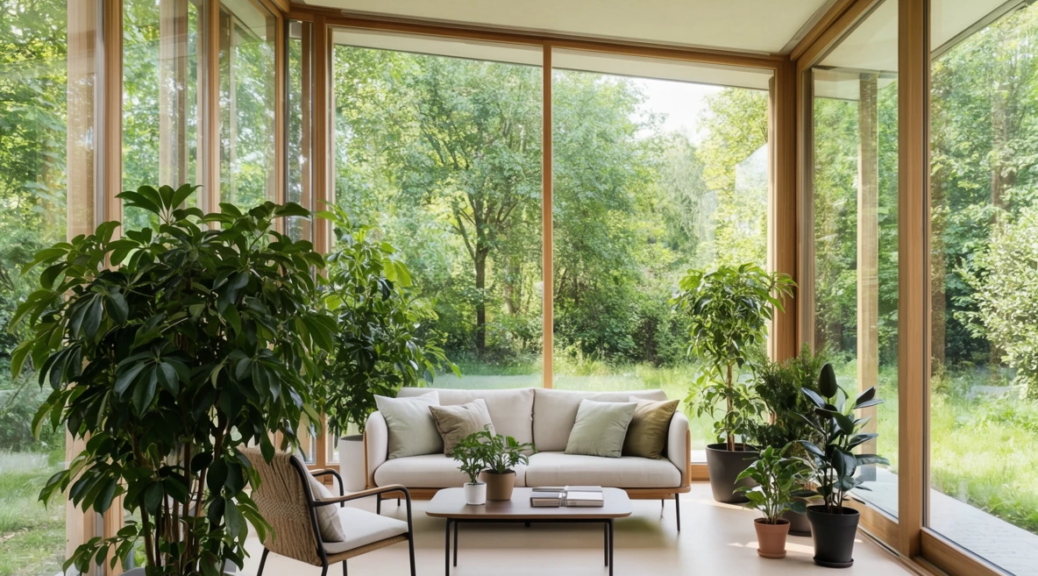
A sunroom does something no other home improvement can quite match – it gives you the feeling of being outdoors while keeping you completely protected from the elements. For homeowners across British Columbia, the sunroom benefits are clear: you gain a versatile, light-filled space that works as hard in January as it does in July. Whether you’re considering a sunroom addition or comparing it to other outdoor living upgrades, understanding the full picture helps put the decision in perspective.
Unlike a standard room addition, a sunroom (sometimes called a sun room) is defined by its extensive glazing – walls and sometimes ceilings made largely of glass or transparent panels. That design floods the space with natural light and visual connection to your yard, garden, or surrounding landscape. It’s a fundamentally different experience from adding another interior room.
Here’s what sunroom additions actually deliver – and why so many BC homeowners are making the investment.
Key Takeaways
- Sunrooms add usable, climate-controlled living space without the cost or disruption of a conventional room addition.
- Natural light is the defining benefit – sunrooms deliver daylight exposure that can improve mood, comfort, and the feel of your entire home.
- A well-built sunroom extends your outdoor living season to 12 months, even in BC’s wet, variable climate.
- Sunrooms offer versatile functionality – from home offices and dining areas to plant rooms and relaxation spaces.
- Energy-efficient glazing and insulation make modern 4-season sunrooms comfortable year-round without excessive heating costs.
More Usable Living Space Without a Full Renovation
One of the most practical sunroom benefits is the additional square footage you gain without the scope, cost, or timeline of a traditional home addition. Sunrooms typically require less structural work than conventional rooms because they use lighter framing systems and don’t need the same foundation depth as a fully insulated extension.
That translates to a shorter construction timeline – most residential sunrooms are completed in two to four weeks of on-site work – and less disruption to your daily life during the build. You’re not tearing into load-bearing walls or rerouting plumbing. The new space attaches to an exterior wall and extends outward, leaving the rest of your home untouched.
For homeowners who need more room but aren’t ready for a major renovation, a sunroom fills the gap effectively. It creates a distinct, purpose-built space that feels separate from the main living areas while remaining fully connected to them.
Natural Light That Transforms Your Home
No other room in your home will get as much natural daylight as a sunroom. With glass or polycarbonate panels on multiple sides – and sometimes overhead – a natural light sunroom captures light from morning through evening, changing character throughout the day.
That daylight does more than look appealing. Research from the Canada Mortgage and Housing Corporation (CMHC) on healthy housing design highlights natural light as a key factor in residential comfort and occupant wellbeing. A sunroom channels that light not just into the room itself but often into adjacent areas of the house, brightening hallways, kitchens, or living rooms that share a wall with the new space.
During BC’s darker winter months, when daylight hours are limited and overcast skies are the norm, a sunroom becomes especially valuable. It maximizes whatever light is available, creating a bright retreat when the rest of the house can feel closed in.
Year-Round Outdoor Living in Any Climate
The Pacific Northwest’s climate is one of the best arguments for a year-round sunroom. Rain, wind, and cool temperatures limit how many months you can comfortably use an open deck or patio – but a sunroom eliminates those barriers entirely.
A 4-season sunroom with double- or triple-pane glass and proper insulation stays comfortable year-round. Connected to your home’s heating system or fitted with a dedicated heat source, it functions as a true living space in every month of the year. You get the view and the light of being outdoors without the weather exposure.
Even a 3-season sunroom extends your usable outdoor season significantly. In the Lower Mainland, where temperatures rarely drop below freezing, a well-built 3-season room is comfortable from early spring through late fall – adding five to seven months of use beyond what an uncovered deck provides.
Pairing your sunroom with a patio cover on the adjacent outdoor area creates a layered transition from fully enclosed to sheltered open-air space, giving you options for every weather condition.
A Versatile Space That Adapts to Your Needs
Sunrooms are among the most flexible rooms in a home because they’re not locked into a single purpose. The same space can serve as a morning coffee spot, an afternoon reading nook, and an evening entertaining area – often all in the same day.
Common uses include home offices with natural light and garden views, indoor plant rooms or greenhouses, casual dining areas, children’s play spaces, yoga or meditation rooms, and guest seating for larger gatherings. The open, airy feel of a sunroom makes it a natural fit for any activity that benefits from brightness and a sense of space.
Because sunrooms are typically adjacent to the main living area, they also function as overflow space during holidays and get-togethers. When you need more room for guests, the sunroom absorbs the crowd without anyone feeling squeezed into a back room.
Energy Efficiency in Modern Sunroom Design
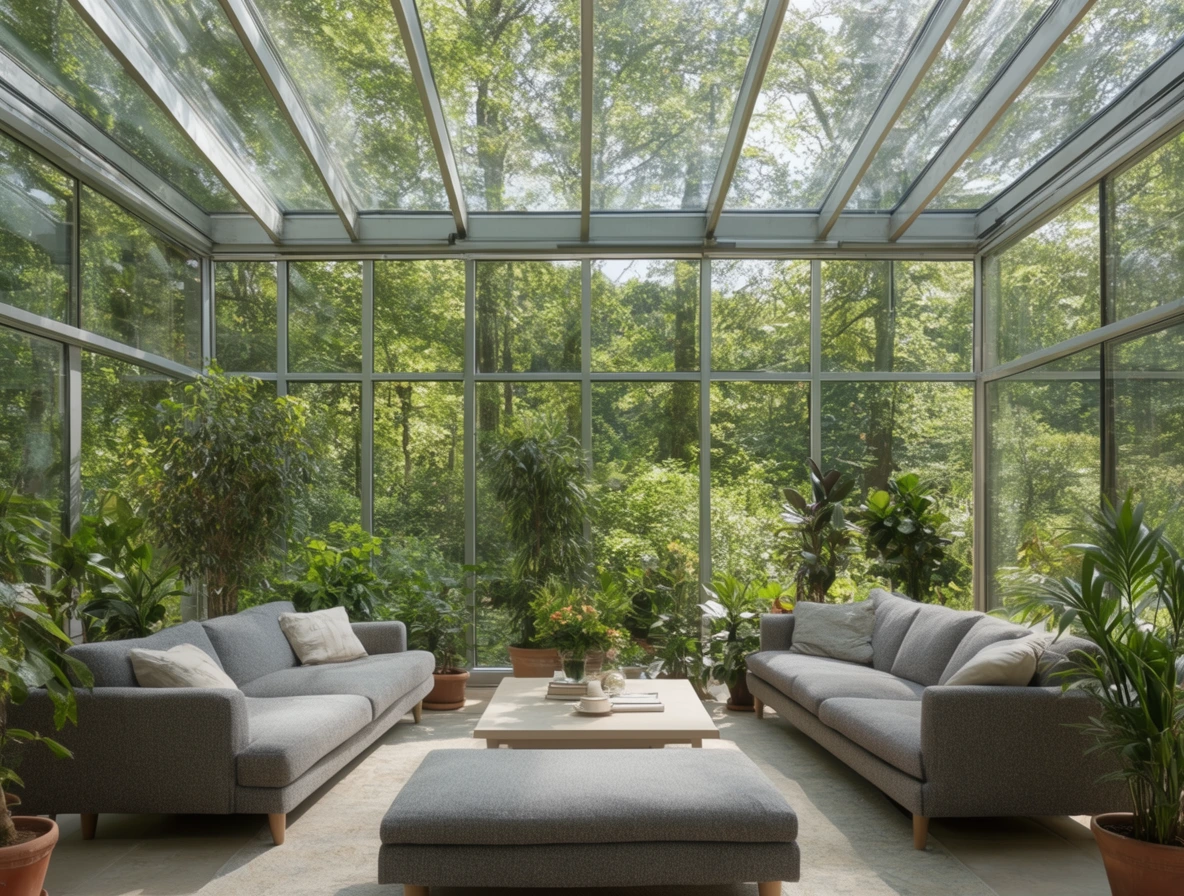
A common concern about sunrooms is energy loss – the idea that all that glass will let heat escape in winter and let too much heat in during summer. With modern materials, that concern is largely addressed.
Today’s 4-season sunrooms use Low-E glass coatings that reflect heat back into the room during cold months and block excess solar gain in warm months. Thermally broken aluminum frames prevent heat transfer through the structure itself. Natural Resources Canada’s energy efficiency resources provide performance ratings for windows and glazing systems that help you compare options and choose materials that meet current energy standards.
Proper orientation matters too. A south-facing sunroom captures the most winter sunlight, reducing heating demand naturally. Strategic use of blinds or tinted panels manages summer heat gain without mechanical cooling. The result is a room that’s comfortable year-round without significantly increasing your energy bills.
Added Value and Curb Appeal
A professionally built sunroom enhances your home’s appearance from the street and can increase its appeal to future buyers. It signals that the property has been thoughtfully upgraded with quality materials and craftsmanship.
While the exact return varies by market and construction quality, additional enclosed living space is consistently valued by homebuyers – particularly in regions like the Lower Mainland where year-round outdoor living is a selling point. A sunroom that’s well-integrated with the home’s architecture and finished to a high standard adds both functional and aesthetic value.
Complementing the sunroom with other exterior upgrades amplifies the effect. Vinyl decking on the adjacent patio surface and coordinated railings create a polished, cohesive outdoor living area that makes the entire back of the house more inviting.
Make the Most of Your Home with a Sunroom
The benefits of sunrooms are hard to replicate with any other single upgrade: more space, more light, more months of comfortable use, and more versatility in how you live in your home. For BC homeowners, a sunroom turns a climate challenge into a design advantage – letting you enjoy the beauty of your surroundings without being at the mercy of the weather.
If you’re considering a sunroom for your property, the best starting point is a conversation about your space, your goals, and what’s possible with your home’s layout. Get in touch for a consultation to explore your options and get a transparent quote.
Frequently Asked Questions
How much does a sunroom add to home value?
The value a sunroom adds depends on construction quality, size, and your local market. A well-built 4-season sunroom that integrates seamlessly with the home’s architecture can recoup a meaningful portion of its cost at resale. In markets where year-round outdoor living is prized – like the Lower Mainland – the appeal to buyers tends to be strong.
What’s the difference between a 3-season and 4-season sunroom?
A 3-season sunroom uses single-pane or lightly insulated glass and has no integrated heating, making it comfortable from spring through fall. A 4-season sunroom features double- or triple-pane glass, insulated framing, and climate control, allowing year-round use regardless of outside temperatures.
Do sunrooms require a lot of maintenance?
Modern sunrooms with aluminum frames and quality glazing require very little maintenance. Occasional glass cleaning and an annual check of seals and weatherstripping are typically all that’s needed. The framing itself is corrosion-resistant and doesn’t need painting or staining.
Can a sunroom be used as a year-round living space?
Yes – a properly built 4-season sunroom functions as a fully usable living space in every season. With insulated glazing, thermally broken frames, and a connected heating source, it maintains comfortable temperatures even during BC’s coolest winter months.
How long does it take to build a sunroom?
Most residential sunroom projects take six to ten weeks from initial consultation to completion. The on-site construction phase typically runs two to four weeks, with the remaining time spent on design, permitting, and custom fabrication of components.