
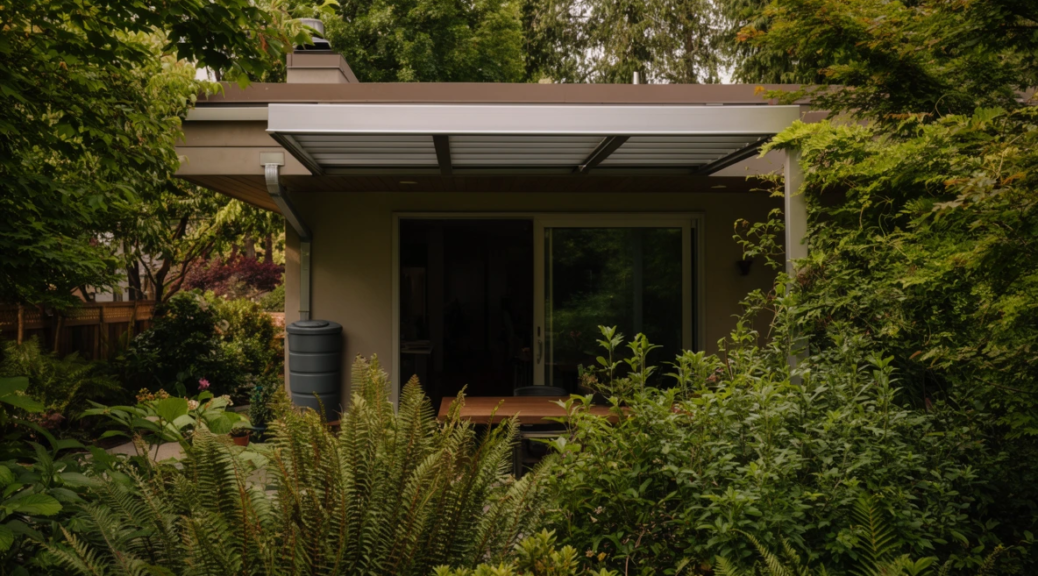
Building an outdoor living space doesn’t have to come at the environment’s expense. With the right materials, design decisions, and a focus on longevity over disposability, your patio or deck can be both beautiful and responsibly built. If you’re exploring patio cover and outdoor living upgrades for your BC home, there are more eco-friendly patio ideas available now than ever before.
Sustainability in outdoor design isn’t just about sourcing recycled materials – though that’s part of it. It’s also about choosing products that last decades rather than years, reducing the chemical maintenance your space demands, managing rainwater responsibly, and minimizing energy consumption in enclosed or semi-enclosed areas. The goal is a sustainable outdoor space that performs as well as it looks.
This guide covers practical, achievable eco-friendly outdoor living design ideas for patios, decks, and outdoor spaces – with a focus on what works in British Columbia’s climate and what you can realistically implement without compromising on quality or comfort.
Key Takeaways
- Choosing durable, long-lasting materials like aluminum and vinyl is one of the most impactful eco-friendly decisions – fewer replacements means less waste over time.
- Low-maintenance materials eliminate the need for chemical stains, sealants, and preservatives that can leach into soil and waterways.
- Energy-efficient sunrooms and covered patios with proper glazing reduce heating and cooling demands year-round.
- Responsible rainwater management – through proper drainage and permeable surfaces – protects local watersheds in BC’s wet climate.
- Native landscaping under and around covered outdoor areas reduces water consumption and supports local ecosystems.
Choose Materials Built to Last
The single most sustainable choice you can make for an outdoor space is selecting materials that won’t need to be replaced every few years. Short-lived materials generate more manufacturing demand, more transportation emissions, and more landfill waste over the life of your home.
Aluminum is one of the most durable options for environmentally friendly patio cover frames, railings, and structural components. It’s naturally corrosion-resistant, doesn’t rot or attract pests, and can last 20 years or more with virtually no maintenance. It’s also one of the most recyclable metals on the planet – aluminum can be recycled indefinitely without losing quality, and recycling it uses roughly 95% less energy than producing new aluminum, according to Natural Resources Canada.
Similarly, vinyl decking membranes provide a waterproof, long-lasting surface that doesn’t require the chemical treatments wood decks demand. A vinyl deck installed once can last 15 to 20 years, compared to wood decking that may need replacement or significant repair within 10 to 12 years in BC’s wet climate. For homeowners looking for an eco-friendly deck solution, vinyl’s longevity is a major advantage.
Reduce Chemical Maintenance
Traditional wood decks and structures require regular applications of stains, sealants, and preservatives to resist moisture, UV damage, and insect activity. Many of these products contain volatile organic compounds (VOCs) and other chemicals that can leach into surrounding soil and groundwater over time.
Switching to materials that don’t need chemical treatment is one of the easiest ways to make your outdoor space more environmentally responsible. Aluminum frames, vinyl decking, and polycarbonate or glass panels maintain their performance and appearance without any chemical applications. Your seasonal maintenance routine becomes soap, water, and a soft brush – nothing that harms the surrounding ecosystem. The result is a low-maintenance patio that’s better for both you and the environment.
This is especially relevant in the Lower Mainland, where proximity to rivers, streams, and the ocean makes runoff management a genuine environmental concern. Every chemical you don’t apply to your deck is one that can’t wash into local waterways.
Design Energy-Efficient Enclosed Spaces
If your sustainable patio design includes a sunroom or fully enclosed patio, energy efficiency should be a core design consideration – not an afterthought.
Modern 4-season sunrooms use Low-E glass coatings and thermally broken aluminum frames to minimize heat loss in winter and reduce solar heat gain in summer. Natural Resources Canada’s energy efficiency resources provide performance ratings for windows and glazing systems, making it easier to compare options and choose materials that meet or exceed current efficiency standards.
Orientation matters too. A south-facing sunroom captures passive solar heat during winter months, reducing reliance on your home’s heating system. Combined with proper insulation and high-performance glazing, this can make a meaningful difference in your annual energy consumption – and your utility bills.
Even for open patio covers, choosing lighter-coloured roofing panels reflects more solar radiation and reduces heat buildup in the space below, keeping things cooler without fans or misting systems.
Manage Rainwater Responsibly
BC’s Lower Mainland receives over 1,500 mm of rainfall annually, which means any outdoor structure needs a plan for where that water goes. Eco-friendly design treats rainwater as a resource to manage thoughtfully rather than a problem to divert as fast as possible.
A well-designed patio cover includes integrated gutters and downspouts that direct water to specific discharge points. From there, you have options: rain barrels or cisterns can capture water for garden irrigation, while French drains or rain gardens can filter and absorb runoff before it enters storm drains.
Permeable paving around the edges of your covered patio – gravel, spaced pavers, or permeable concrete – allows rainfall to soak into the ground naturally rather than sheeting off into the street. This reduces the volume of stormwater entering municipal systems and helps recharge local groundwater.
Incorporate Native and Low-Water Landscaping
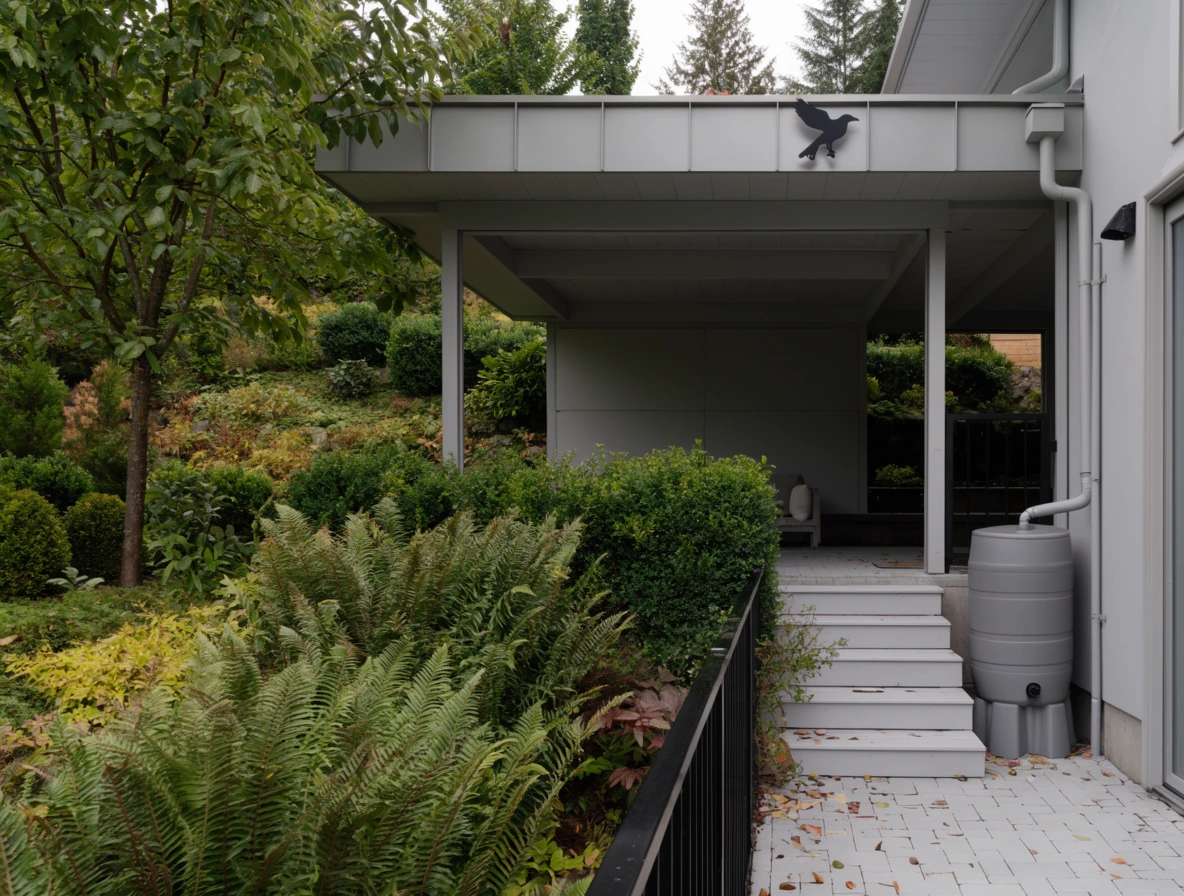
The area around your patio cover is an opportunity to support local biodiversity while reducing water consumption. Native plants adapted to BC’s climate thrive without irrigation once established, and they provide habitat for pollinators and other beneficial species.
Under a covered patio, shade-tolerant native plants like sword ferns, salal, and Oregon grape do well in the filtered light conditions. Around the perimeter, native grasses, flowering shrubs, and ground covers create a natural border that requires no fertilizer and minimal watering.
This approach pairs especially well with the low-maintenance ethos of modern outdoor materials. A vinyl deck with aluminum railings surrounded by native plantings gives you a green outdoor living space that looks beautiful year-round without constant upkeep or resource inputs.
Use Efficient Lighting and Accessories
The accessories you add to your outdoor space contribute to its environmental footprint too. LED lighting is the obvious choice – it uses a fraction of the energy of incandescent or halogen bulbs and lasts significantly longer, reducing both electricity consumption and replacement waste.
Solar-powered path lights and accent lighting eliminate wired electricity entirely for ambient illumination. For covered patios, recessed LED fixtures in the cover’s frame provide functional lighting at minimal energy cost.
When selecting outdoor furniture, look for pieces made from recycled materials, FSC-certified wood, or durable metals like aluminum that won’t need replacing after a few seasons. Quality furniture that lasts a decade is far more sustainable than budget pieces that end up in landfill after two or three years.
Build a Greener Outdoor Space That Lasts
Eco-friendly patio ideas don’t require exotic materials or complicated systems. The most impactful choices are often the simplest: pick materials that last, skip the chemicals, manage water responsibly, and design enclosed spaces for energy efficiency. In BC’s climate, these choices align naturally with practical needs – durability and weather resistance happen to be both the smartest and the most sustainable options.
If you’re planning an outdoor living upgrade and want to make environmentally conscious choices without sacrificing quality or comfort, get in touch for a consultation. A professional assessment of your property can identify the most effective eco-friendly options for your specific space and goals.
Frequently Asked Questions
What is the most eco-friendly patio cover material?
Aluminum is one of the most sustainable patio cover materials available. It’s extremely durable, requires no chemical maintenance, and is infinitely recyclable. Choosing a long-lasting aluminum cover reduces the waste and resource consumption associated with replacing shorter-lived materials over time.
Is vinyl decking environmentally friendly?
Vinyl decking has a strong sustainability case because of its longevity and zero-maintenance profile. It lasts 15 to 20 years without chemical treatments, stains, or sealants, which means fewer harmful products entering the environment. Some manufacturers also offer vinyl products made with recycled content.
How can I make my sunroom more energy efficient?
Use double- or triple-pane Low-E glass, thermally broken aluminum frames, and orient the sunroom to capture passive solar heat in winter. Adding blinds or UV-tinted panels helps manage summer heat gain. These choices reduce your reliance on heating and cooling systems year-round.
Can I collect rainwater from my patio cover?
Yes. Patio covers with integrated gutter systems can direct rainwater into barrels or cisterns for garden irrigation. This is a practical and eco-friendly way to manage runoff in BC’s rainy climate while reducing your reliance on municipal water for landscaping.
What native plants work well around covered patios in BC?
Shade-tolerant natives like sword fern, salal, and Oregon grape thrive under covered areas. Around the perimeter, consider native grasses, red flowering currant, and kinnikinnick as ground cover. These species require minimal watering once established and support local pollinators.