
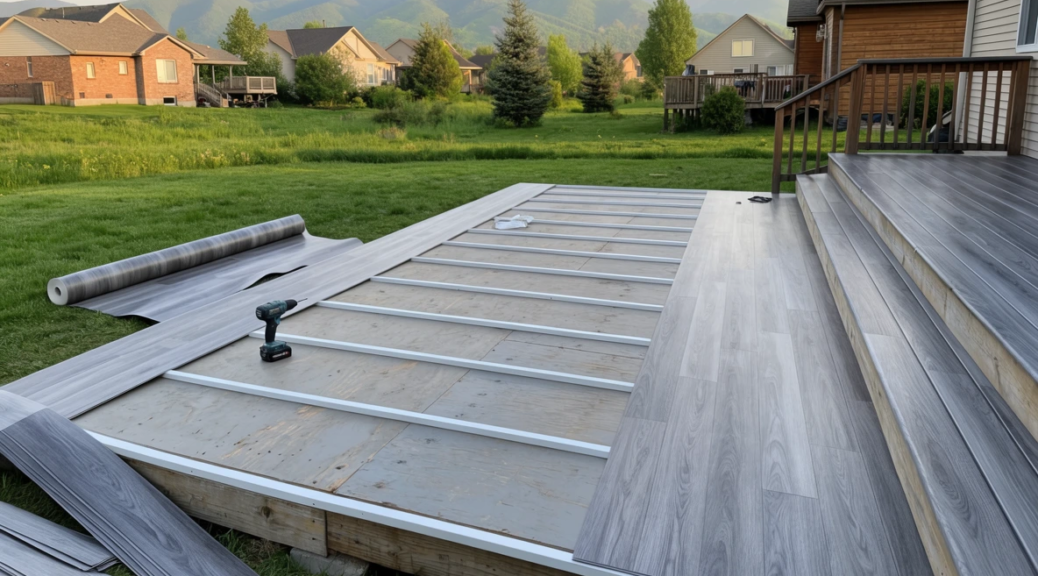
If your Coquitlam deck is showing signs of wear – peeling, cracking, discolouration, or water pooling in spots that used to drain cleanly – it’s likely time for a resurfacing job. Vinyl deck resurfacing replaces the worn membrane on your existing deck with a fresh, waterproof surface, restoring both the look and the protective function of the original installation without tearing out the entire structure.
Coquitlam’s climate is tough on outdoor surfaces. Heavy rainfall through fall and winter, strong UV exposure in summer, and the humidity that comes with living between the mountains and the Fraser River all accelerate the breakdown of deck membranes over time. Even well-installed vinyl decking in Coquitlam eventually reaches the end of its service life and needs replacement.
This guide covers when to resurface, what the process involves, and how to choose the right contractor for vinyl deck resurfacing in Coquitlam, BC.
Key Takeaways
- Vinyl deck resurfacing replaces the worn membrane on your existing structure – it’s faster and more affordable than a full deck rebuild.
- Signs you need resurfacing include visible cracking, peeling, bubbling, persistent water pooling, and discolouration that won’t clean off.
- Coquitlam’s wet climate and UV exposure make timely resurfacing critical to protecting your deck’s substructure from moisture damage.
- Professional installation with heat-welded seams ensures a watertight finish that lasts 15 to 20 years.
- A thorough substructure inspection during resurfacing catches rot or damage before it becomes a costly structural problem.
When Does a Coquitlam Deck Need Resurfacing?
Vinyl deck membranes are durable, but they don’t last forever. In Coquitlam’s climate, a well-installed vinyl surface typically performs well for 15 to 20 years before it needs replacement. Several signs indicate that your deck is approaching or past that point and may need deck repair.
Cracking and peeling are the most obvious indicators. When the vinyl membrane starts separating from the substrate or developing surface cracks, water is getting through to the plywood and framing below. Once that happens, the clock is ticking on structural damage.
Bubbling or lifting along seams or edges means the adhesive bond has broken down. This creates pockets where water collects and accelerates deterioration of the substructure.
Persistent water pooling in areas that used to drain properly suggests the membrane has lost its shape or the substrate beneath has warped. Both issues compromise the waterproof barrier your deck depends on.
Fading and discolouration that doesn’t respond to cleaning is a sign of UV degradation. While cosmetic at first, it indicates the membrane’s protective properties are diminishing.
If you’re seeing any of these signs, resurfacing sooner rather than later protects the structural components of your deck and avoids the much higher cost of a full rebuild.
Why Coquitlam’s Climate Demands Attention
Coquitlam sits in one of the wettest corridors of the Lower Mainland. According to Environment and Climate Change Canada, the Coquitlam area receives well over 1,500 mm of precipitation annually, with the heaviest rainfall concentrated between October and March. That’s five to six months of near-constant moisture exposure for your deck.
Summer brings its own challenges. UV radiation breaks down vinyl over time, causing the surface to become brittle and more prone to cracking. The swing between wet winters and dry, sunny summers creates expansion and contraction cycles that stress seams and adhesive bonds.
This combination makes Coquitlam a particularly demanding environment for outdoor surfaces. A deck membrane that might last 20 years in a drier climate may show signs of wear at 12 to 15 years here. Staying ahead of that timeline with timely waterproof deck resurfacing keeps your deck protected and prevents the kind of moisture infiltration that leads to rot in the joists and beams below.
What Vinyl Deck Resurfacing Involves
Professional deck resurfacing in Coquitlam follows a structured process designed to restore your deck to like-new condition while addressing any underlying issues.
Removal of the old membrane: The existing vinyl is stripped from the deck surface, stairs, and any wrapped edges or posts. This exposes the plywood substrate for inspection.
Substructure assessment: This is one of the most important steps. With the old membrane removed, the installer can inspect the plywood, joists, beams, and posts for signs of rot, mould, or structural weakening. Any compromised components are repaired or replaced before the new surface goes on. Skipping this step – or resurfacing over hidden damage – sets up the new membrane to fail prematurely. The BC Building Code sets structural standards that any deck repair in Coquitlam should meet, particularly for load-bearing components and moisture management.
Surface preparation: The plywood substrate is sanded smooth, dried, and treated as needed to create a clean, even surface for the new membrane. Any low spots or imperfections are corrected to ensure proper drainage.
New membrane installation: The new vinyl is cut to fit your deck’s exact dimensions, laid in place, and heat-welded at every seam. Heat welding creates a continuous, watertight bond that’s far more reliable than adhesive-only seams. Edges, corners, stairs, and flashing details are finished to ensure no water can penetrate.
Drainage verification: The installer confirms that water flows correctly across the surface and into the gutter system, with no pooling or dead spots.
The entire process typically takes two to five days for a standard residential deck, depending on size and the extent of any substructure repairs needed.
Resurfacing vs. Full Vinyl Deck Replacement
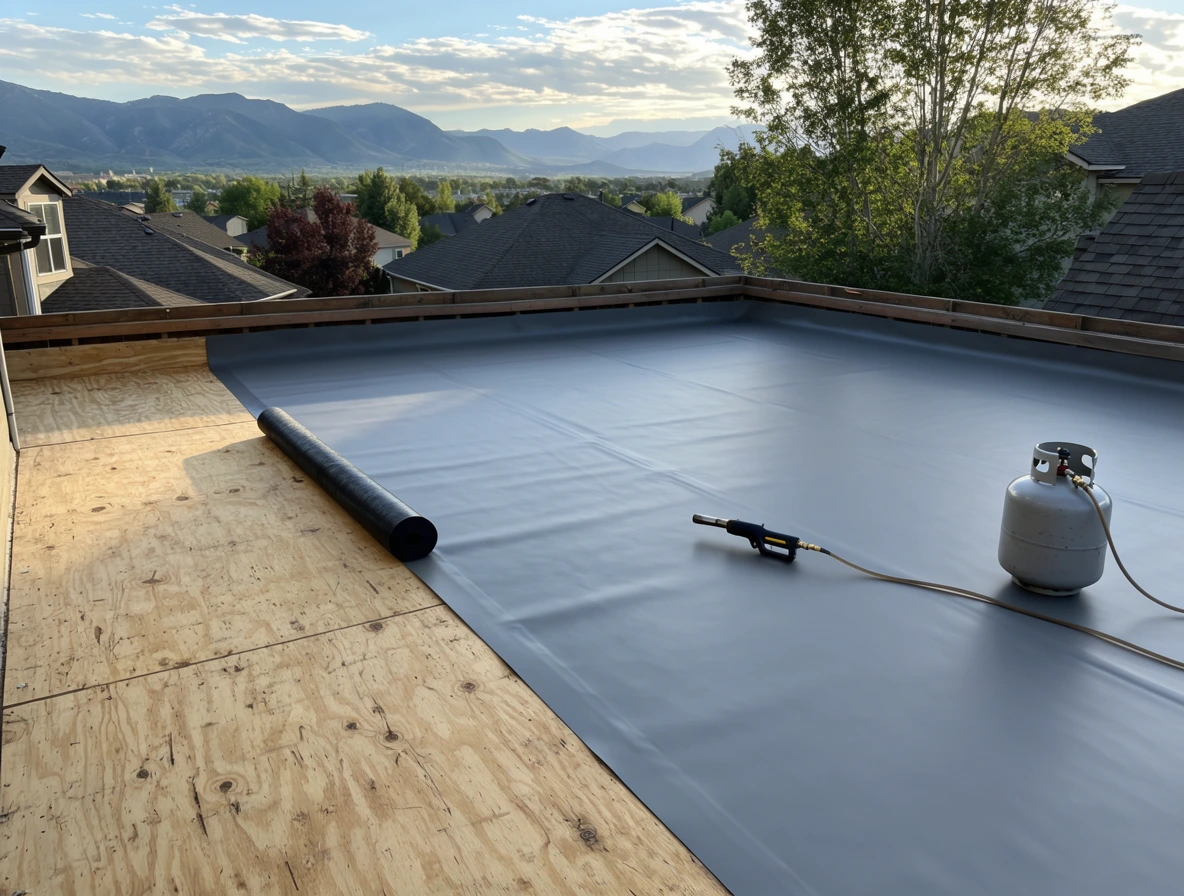
One of the biggest advantages of vinyl deck resurfacing is that it preserves your existing deck structure. If the joists, beams, and framing are in good condition – which they usually are when the membrane is replaced before serious moisture damage sets in – there’s no need to demolish and rebuild.
That saves significant time and money. A resurfacing project costs a fraction of what a full vinyl deck replacement would run, and it’s completed in days rather than weeks. You’re essentially getting a brand-new waterproof surface on top of a structure that still has years of service life remaining.
However, if the substructure inspection reveals extensive rot or structural compromise, your contractor may recommend partial or full replacement of the framing before resurfacing. A reputable installer will be transparent about what they find and give you honest options rather than covering up problems with a new membrane.
Choosing the Right Resurfacing Contractor in Coquitlam
Not all contractors have specific experience with vinyl deck membrane installation, and the distinction matters. Vinyl resurfacing requires precision cutting, professional heat-welding equipment, and an understanding of drainage engineering – skills that general contractors or handymen may not possess.
When evaluating contractors for vinyl deck resurfacing in Coquitlam, ask about their experience with membrane-specific projects. How many decks have they resurfaced? Do they heat-weld seams or rely on adhesive only? Do they inspect and repair the substructure as part of the job?
Ask about guarantees as well. A quality resurfacing job should come with written coverage for both materials and labour. Look for a contractor who stands behind their work and uses reputable vinyl products with manufacturer backing.
Local experience matters too. A Coquitlam-based or Lower Mainland contractor understands the specific weather conditions your deck faces and can recommend the right membrane weight, colour, and texture for maximum longevity. Pairing your resurfaced deck with complementary upgrades like a patio cover or new railings can transform the entire space while you’re already in project mode.
For homeowners considering a fully enclosed addition adjacent to the deck, a sunroom creates a seamless transition between protected indoor and resurfaced outdoor space.
Restore Your Coquitlam Deck with Professional Vinyl Resurfacing
Vinyl deck resurfacing is one of the smartest investments a Coquitlam homeowner can make – it extends the life of your existing structure, restores full waterproof protection, and gives your outdoor space a fresh, clean appearance at a fraction of the cost of a full rebuild. The key is acting before minor wear becomes major structural damage.
If your deck is showing signs that the membrane has reached the end of its life, request an assessment to find out what’s needed and get a transparent quote tailored to your property.
Frequently Asked Questions
How often does a vinyl deck need resurfacing?
Most vinyl deck membranes last 15 to 20 years before needing replacement. In Coquitlam’s wet climate, you may see signs of wear closer to the 12- to 15-year mark. Regular inspections help you catch issues early and plan resurfacing before the substructure is affected.
How long does vinyl deck resurfacing take?
A standard residential deck resurfacing in Coquitlam typically takes two to five days, depending on the deck’s size and whether any substructure repairs are needed. The new membrane is ready for foot traffic as soon as the installation is complete.
Can I resurface my deck myself?
Vinyl deck resurfacing requires specialized heat-welding equipment and precise installation techniques to achieve a watertight finish. DIY attempts often result in seam failures and moisture infiltration. Professional installation is strongly recommended to protect your investment and ensure the membrane performs as intended.
How much does vinyl deck resurfacing cost in Coquitlam?
Costs vary based on deck size, condition of the substructure, and the specific vinyl product chosen. As a general guide, resurfacing is significantly less expensive than a full deck tear-down and rebuild. A professional assessment of your deck provides the most accurate estimate for your specific situation.
Does resurfacing fix drainage problems?
Yes – if the drainage issues are related to membrane wear, lifted seams, or minor substrate warping. During resurfacing, the installer corrects surface imperfections and ensures proper slope for water runoff. If drainage problems stem from deeper structural issues, those are addressed during the substructure repair phase before the new membrane is applied.