
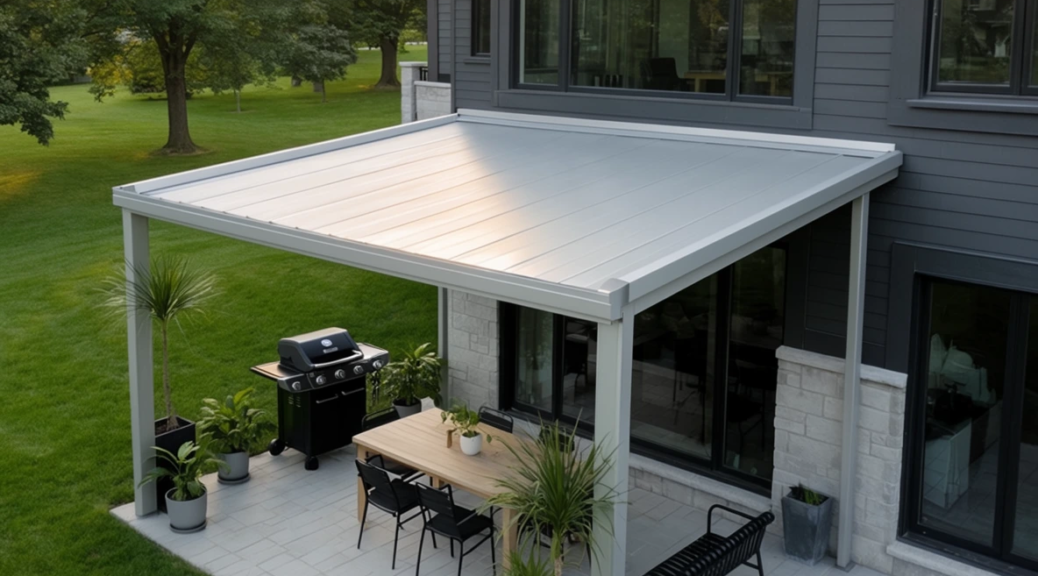
Picking a patio cover isn’t just about keeping the rain off – it’s a patio cover design decision that affects how your outdoor space looks, how it functions, and how well it integrates with the rest of your home. The best patio cover style is the one that balances weather protection, visual appeal, and practical use in a way that makes sense for your specific property. If you’re starting to explore patio cover options, the range of patio cover styles can feel overwhelming at first.
The good news is that narrowing down the right choice becomes much easier once you understand the key factors involved. Your home’s architecture, your local climate, how you plan to use the space, and your budget all play a role – and each one helps eliminate options that won’t work for your situation.
This guide walks you through the decision-making process so you can choose a patio cover style with confidence, whether you’re upgrading an existing deck or designing a new outdoor living area from scratch.
Key Takeaways
- The best patio cover style matches your home’s architectural character while solving a practical weather or shade problem.
- Climate should be the first filter – in BC’s wet regions, waterproof styles like solid aluminum or glass outperform open designs.
- Size, shape, and orientation of your outdoor space directly influence which styles are feasible and which look proportionate.
- Colour, finish, and framing details matter more than most homeowners expect – they’re what make a cover look intentional rather than added on.
- A professional site assessment is the fastest way to match the right style to your property’s unique layout and requirements.
Start with Your Home’s Architecture
The most common mistake homeowners make is choosing a patio cover based on a photo they liked online without considering whether it suits their house. A sleek, frameless glass patio cover that looks stunning on a modern West Vancouver home may look completely out of place on a traditional craftsman-style property in Langley.
Look at your home’s roofline, siding material, window style, and overall design language. A cover that echoes those elements – matching the roof pitch, complementing the exterior colour palette, picking up on material cues – will look like it was always part of the plan.
For homes with clean, contemporary lines, flat-roof aluminum or glass covers tend to work well. For more traditional architecture, a gabled or pitched cover that mirrors the main roofline creates visual continuity. The goal is integration, not contrast – your patio cover should feel like a natural extension of the house.
Let Your Climate Drive the Decision
Style preferences are important, but your local climate sets the boundaries of what’s practical. In the Lower Mainland, where Environment and Climate Change Canada records over 1,500 mm of annual rainfall, any cover that doesn’t provide reliable rain protection will leave you disappointed for a significant part of the year.
That rules out purely decorative options like open pergolas and shade sails as your primary cover in this region. They have their place – as design accents or secondary structures – but they won’t keep you dry during a November rain shower.
For BC homeowners, the practical shortlist includes solid aluminum patio covers for full weather protection, polycarbonate panels for rain coverage with filtered light, and glass covers for a premium, light-filled option. Each of these handles the region’s rain, wind, and UV exposure reliably, so the style choice within that group becomes a matter of aesthetics and budget.
Match the Cover to How You Use the Space
How you plan to use your covered patio should shape the style you choose. A family that wants to dine outdoors year-round has different needs than someone who primarily wants to protect outdoor furniture or create a sheltered reading spot. Here are some covered patio ideas based on common use cases.
Full outdoor living design: If you’re creating a complete outdoor room – with seating, dining, and possibly a barbecue area – you’ll want a cover that spans the full footprint with consistent overhead protection. A solid or polycarbonate cover with integrated lighting gives you the most functional result.
Partial coverage: If you want a mix of sheltered and open space, consider a cover that extends partway across the deck, leaving room for sun exposure beyond its edge. This works well on larger properties where you have space to create distinct zones.
Transitional space: If the goal is connecting your indoor living area to the outdoors, a style that flows visually from the house – matching roofline, materials, and finishes – creates the smoothest transition. Pairing the cover with vinyl decking below and railings around the perimeter ties the entire area together.
Consider Size, Shape, and Proportions
A cover that’s too small looks like an afterthought. One that’s too large can overwhelm the house and feel disproportionate. Getting the scale right is one of the most important style decisions you’ll make.
As a general guideline, the cover should be proportionate to the deck or patio it’s protecting and to the wall of the house it’s attached to. A narrow strip of coverage over a wide deck leaves the edges exposed and looks unfinished. Conversely, a massive cover attached to a small bungalow can make the house feel dwarfed.
Shape matters too. Rectangular covers suit most standard deck layouts, but L-shaped, angled, or curved designs can work better on properties with irregular footprints or wraparound decks. Custom fabrication allows the cover to follow your deck’s actual shape rather than forcing a generic rectangle onto a space it doesn’t fit.
Choose Colours and Finishes That Complement Your Home
The framing colour, panel finish, and hardware details of your patio cover are the visual elements that tie everything together – or make the cover stand out in the wrong way.
Most aluminum covers are powder-coated, which means you can choose from a wide spectrum of colours. The safest approach is to match or closely complement your home’s existing trim, fascia, or gutter colour. White and off-white are popular for lighter homes, while charcoal, bronze, and matte black suit darker or more contemporary exteriors.
For panel materials, clear polycarbonate or glass maximizes light and visibility, while tinted or frosted options provide more shade and privacy. The choice affects both the aesthetics of the cover from below and how the space feels when you’re sitting under it.
Don’t overlook details like post style, beam profile, and gutter integration. These small choices are what separate a cover that looks custom-built from one that looks generic. A professional installer can walk you through these options during a site visit so you can see how they’ll look against your home’s specific exterior.
Open, Partial, or Fully Enclosed?
The degree of enclosure is another style dimension worth considering. Your options range from a simple overhead cover with open sides all the way to a fully enclosed sunroom. Keep in mind that enclosed additions must meet structural and energy efficiency standards under the BC Building Code, so working with an experienced installer matters.
An open cover with posts and no sidewalls gives you rain protection while maintaining airflow and an outdoor feel. Adding side panels – glass, polycarbonate, or screen – increases wind protection and extends the usable temperature range of the space. A fully enclosed sunroom provides complete climate control year-round.
Many homeowners find that a layered approach works best: a solid cover over the main patio area, open space beyond it, and a sunroom adjacent to the house for the coldest months. This creates a range of outdoor experiences across different weather conditions without over-building any single element.
Find the Right Patio Cover Style for Your Property
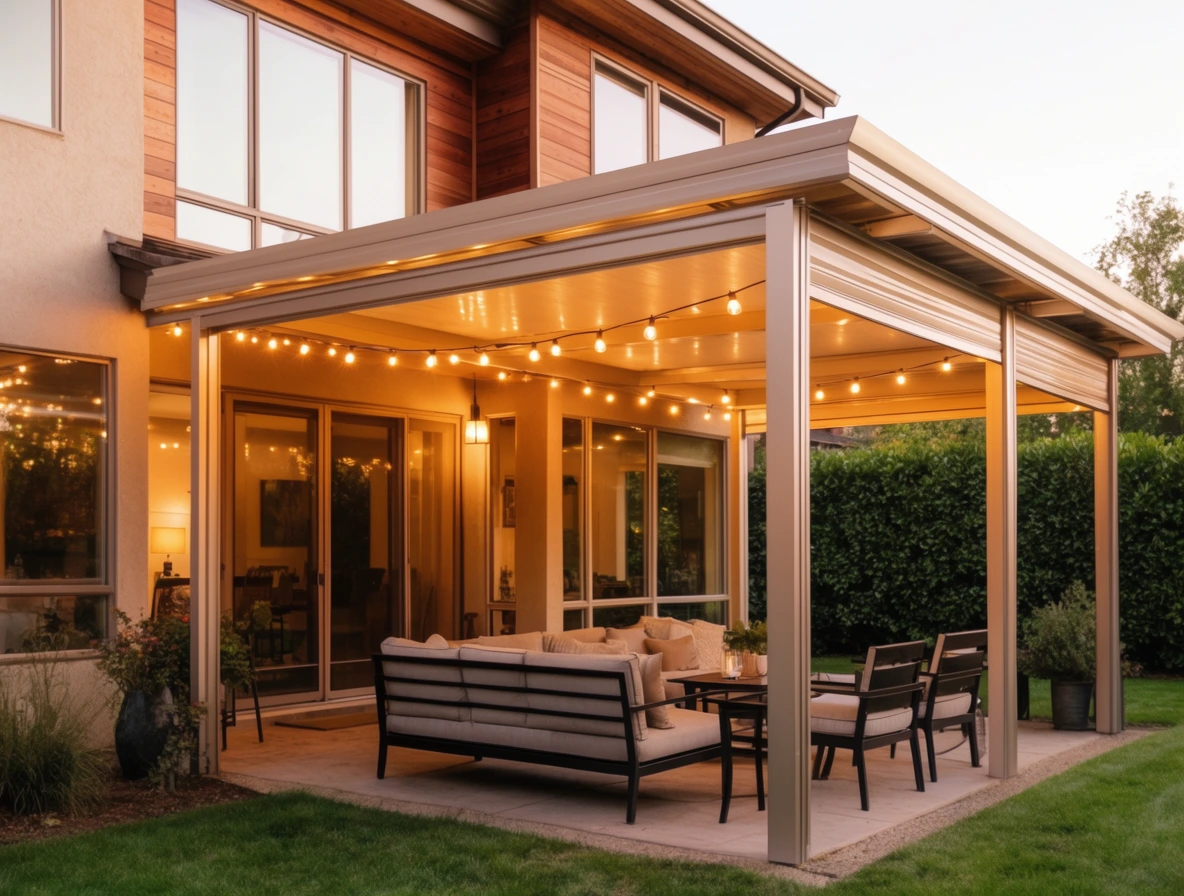
Choosing the best patio cover style comes down to honest assessment of your home, your climate, and how you actually want to use the space. The right cover looks like it belongs, handles the weather you face, and makes your outdoor area more enjoyable – not just more sheltered.
The fastest path to a confident decision is a professional site assessment. An experienced installer can evaluate your property, show you relevant style options in context, and help you avoid choices that look great in a catalogue but don’t work on your specific home. Request a consultation to get started.
Frequently Asked Questions
What patio cover style works best with a modern home?
Flat-roof aluminum patio covers, frameless glass panels, and minimalist post-and-beam designs tend to complement modern architecture. Clean lines, dark or matte finishes, and slim profiles align well with contemporary design language.
Should my patio cover match my roof?
It doesn’t have to be identical, but visual harmony helps. Matching the pitch angle, choosing a complementary colour, and aligning the cover’s fascia with your home’s trim creates a cohesive look. The goal is for the cover to feel integrated, not tacked on.
How do I choose between polycarbonate and glass for my patio cover?
Polycarbonate is lighter, more affordable, and available in tinted options that reduce glare. Glass offers maximum clarity and a premium appearance but costs more and requires heavier structural support. Your choice depends on budget, aesthetic preference, and how much natural light you want.
Can I customize the shape of my patio cover?
Yes. Custom-fabricated covers can be built to match irregular deck layouts, L-shaped patios, wraparound decks, and other non-standard footprints. A site assessment determines what’s structurally feasible and ensures the design fits your property precisely.
What’s the most popular patio cover style in BC?
Solid aluminum covers with a flat or low-slope roof are the most common choice across the Lower Mainland. They provide reliable rain protection, require minimal maintenance, and can be colour-matched to virtually any home exterior. Glass and polycarbonate options are growing in popularity for homeowners who want more natural light.