Category Archives: Uncategorized

1xbetni kompyuter uchun bepul yuklab oling. Windows uchun eng so’nggi rasmiy versiyasining tavsifi.

Ilova yordamida pul yechish so’rovi yuborilgandan keyin, tezda qayta ishlash uchun kompaniya xodimlari harakat qilishadi. Foydalanuvchi shaxsini aniqlash maqsadida yuqori sifatli skanerlangan shaxsni tasdiqlovchi hujjatni taqdim etishi lozim. Agar birinchi marta yutuq yechayotgan qimorboz bo’lsa, u majburiy tekshiruvdan o’tishi shart.

Asl ilovada garov qo’yish orqali onlayn bukmeker mijozlari barqaror aloqa, ishonchli kontent va yuqori sifatli o’yinga ega bo’ladilar. Continue reading →

1xBet rasmiy veb-sayti, 1xBet oynasi, bukmekerlik idorasida sportga pul tikish

Boshqarish strategiyasini namoyish eta oladigan qimorbozlar, o’zlarining garovlari va bankrolllarini e’tiborga olishadi. Mobil foydalanuvchilarni xursand qilish maqsadida, 1xBet kazino o’yinlari barcha mijozlarga moslashtirilgan.

24/7 texnik yordam tezkorlik bilan javob beradi. Imkoniyatlar juda yuqori va sizga to’g’ri tanlov qilishga yordam beradigan tegishli maqolalar mavjud. Ular tikish uchun keng turdagi sport tadbirlarini taklif qilishadi. Continue reading →

Patio Covers in Coquitlam, BC: Designs for Rainy Tri-Cities Backyards

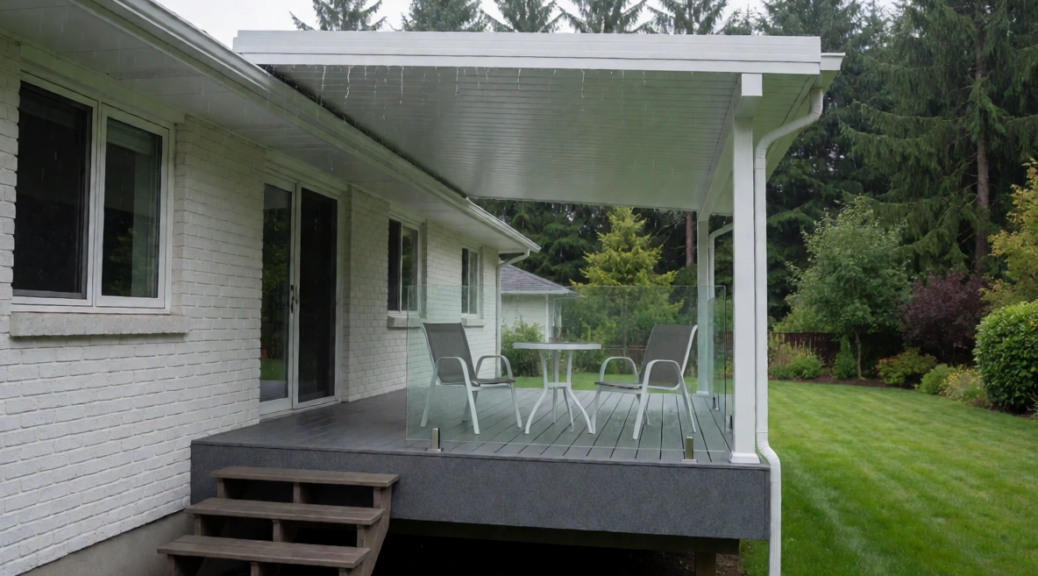
Coquitlam backyards come with their own set of challenges. Lots on Burke Mountain and Westwood Plateau slope toward the view, plenty of older split-levels have a raised sundeck off the kitchen, and the rain rolling off the mountains barely lets up from November to March. Choosing patio covers in Coquitlam means designing for all three.

A cover that suits a flat lot in Surrey won’t always work on a hillside yard or a deck sitting a full storey above the lawn. Roof pitch, drainage and how much daylight you give up all change with the site.

This guide walks through the cover styles we recommend for Coquitlam homes, how we handle raised sundecks, what you can pair with a cover, and what to expect when we visit.

Key Takeaways

  • Hillside lots, raised sundecks and long wet winters shape which patio covers in Coquitlam work best.
  • Our Big Slope cover has a steeper pitch for runoff, Peak Shape suits newer homes, and glass keeps north-facing yards bright.
  • On a sloping lot, where the downspouts drain matters as much as the roof itself.
  • A cover can be planned alongside railings, vinyl deck resurfacing or a future sunroom.

What Makes Patio Covers in Coquitlam Different?

Three things come up again and again when we design covers for Coquitlam homes.

The terrain. Many homes sit on sloped lots, so the backyard is often a deck rather than a ground-level patio. Posts may need to run down to grade, and the cover has to look right from the street below as well as from your kitchen.

The rain. Neighbourhoods closer to the mountains tend to see more rainfall than areas down by the Fraser. For patio covers in Coquitlam, that means more water hitting the roof and more of it heading for your gutters.

The light. Between tall evergreens, neighbouring homes uphill and yards that face north, some Coquitlam backyards get limited direct sun even in summer. A solid roof in the wrong spot can leave both the deck and the rooms behind it feeling dim.

Good design accounts for the slope, the rain and the light before a single post goes in.

Which Cover Styles Suit Coquitlam Homes?

We build several aluminum patio covers, and three of them account for most of the patio covers in Coquitlam we recommend.

Big Slope Covers for Heavy Runoff

As the name suggests, our Big Slope cover has a steeper pitch, so water runs off faster. If your deck takes a steady soaking all winter, this is usually where we start the conversation. Rain moves off the panels into the gutters instead of sitting on the roof.

Peak Shape Covers for Newer Builds

The Peak Shape cover adds a peaked roofline with a modern, architectural look. It often suits the newer homes going up on Burke Mountain, where a flat-looking cover can feel out of place against a steep roof and contemporary finishes.

Glass Covers for North-Facing Yards

A glass patio cover keeps the rain off while letting daylight through. For a north-facing yard or a kitchen that already feels dark, glass is often the better choice, even though it needs occasional cleaning to stay clear.

How Do You Cover a Raised Sundeck?

Raised sundecks are common on Coquitlam split-levels, and many patio covers in Coquitlam go over one. It takes a bit more planning than a ground-level patio.

A sundeck cover typically attaches to the house wall above the deck, with posts either set on the deck structure or running down to footings at grade. We look at the deck’s height, what’s underneath it and how the roofline above will meet the new cover.

Drainage is the part people overlook. On a sloping lot, a downspout that empties in the wrong place can send water toward your foundation or a neighbour’s yard, so we plan where every downspout goes.

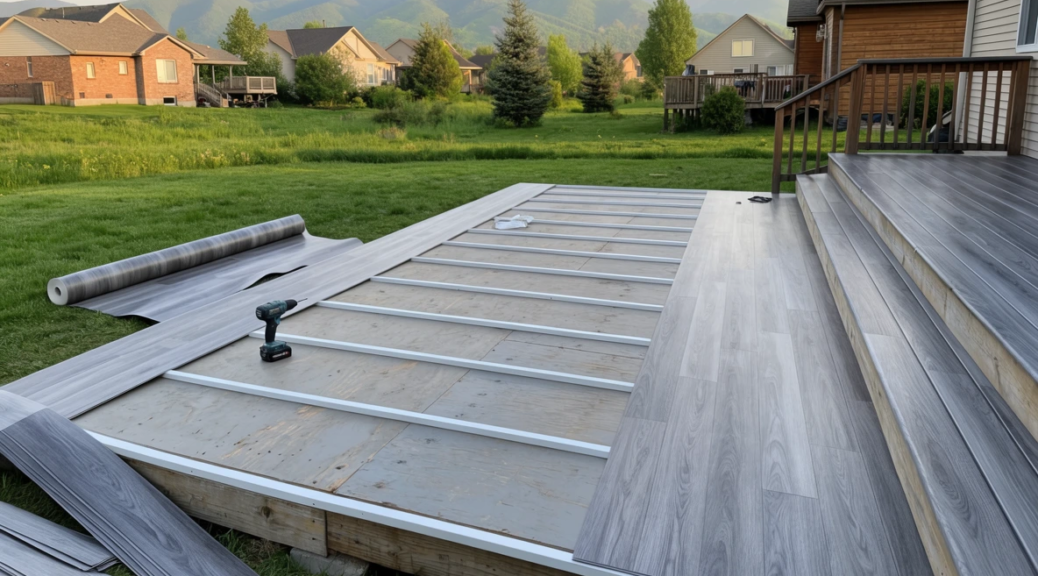
If the deck surface is tired, it’s worth doing both jobs together. Our vinyl deck resurfacing pairs a new vinyl membrane underfoot with the cover overhead, so one crew handles the whole sundeck.

Pairing a Cover with Railings or a Sunroom

Because we build more than patio covers, Coquitlam homeowners can plan the whole space at once.

Glass or picket railings can be designed so the railing posts line up with the cover posts. Glass keeps the view from a covered deck on a hillside open, while picket or privacy railings give more screening from close neighbours.

Some homeowners start with a cover and later want walls. If there’s a chance you’ll enclose the space down the road, tell us early. We can plan the cover so it’s easier to turn into a sunroom later.

What Happens When We Visit Your Coquitlam Home?

Our team works out of our shop in Surrey and serves Coquitlam, Port Coquitlam and Port Moody. A site visit for a patio cover in Coquitlam usually covers:

  • Measuring the deck or patio and the wall the cover will attach to
  • Checking which way the yard faces and where the sun falls
  • Planning gutter and downspout routes for your lot
  • Talking through styles, colours and add-ons

We confirm permit needs with the City of Coquitlam before work starts. Every one of our patio covers in Coquitlam is backed by our 10-year material and 3-year labour guarantee from the day of completion.

Plan a Patio Cover Built for Coquitlam’s Wet Winters

The best patio covers in Coquitlam are designed around the lot, not pulled from a catalogue. Pick Big Slope for runoff, Peak Shape for a newer home or glass for a shaded yard, and plan drainage and railings as part of the same job.

Request a patio cover quote, call us at (604) 616-1066 or email info@cwxpatiocovers.com to book a visit.

Frequently Asked Questions

Do you install patio covers in Port Coquitlam and Port Moody?

Yes. We serve all three Tri-Cities along with the rest of the Lower Mainland. The same cover styles, including Big Slope, Peak Shape and glass, are available across the area.

Can you install a patio cover on a sloped lot?

Yes. Sloped lots are common in Coquitlam. We plan post placement and footings around the grade and route drainage so water doesn’t run toward your home.

Do I need a permit for a patio cover in Coquitlam?

It depends on the project. We confirm permit needs with the City of Coquitlam before any work begins, so you know what’s required up front.

Aluminum Deck Covers for Lower Mainland Homes: How to Keep Your Sundeck Dry All Year

Most Lower Mainland sundecks sit empty from October to April. The deck isn’t the problem. The rain is. An aluminum deck cover turns that raised platform off your kitchen or living room into space you can use through a wet November, not just the few dry weeks of summer.

Plenty of advice about protecting a deck stops at sealant and stain. That helps the boards, but it does nothing for you standing outside in a steady Surrey drizzle.

Below, we explain what a covered deck is, how solid and glass deck covers differ, what attaching one involves, and why the cover, deck surface and railing work best planned together.

Key Takeaways

  • Sealant protects deck boards. Only a roof keeps you, your furniture and the deck surface out of the rain.
  • Solid aluminum deck covers give shade and full rain protection, while glass covers keep the daylight Lower Mainland homes are short on in winter.
  • Our Big Slope cover has a steeper pitch for faster runoff, with gutters and downspouts carrying water away from the deck and foundation.
  • Planning the cover, vinyl deck and railing together means one crew and one guarantee.

Why Does a Sundeck Need a Deck Cover, Not Just Sealant?

Sealants and stains slow water from soaking into wood, and they need reapplying as rain and UV break them down. What they can’t do is stop the rain from landing.

On the West Coast, the wet season runs for months, and a raised sundeck catches everything: rain, fir needles, moss spores. Water sits in the joints and against the wall where the deck meets the house.

A deck cover changes the problem entirely. Rain hits the roof, runs into a gutter and leaves through a downspout. The surface underneath stays mostly dry, and your patio furniture doesn’t need to live under a tarp.

You can step out with a coffee in February without an umbrella. It’s somewhere to barbecue on a rainy Tuesday or sit and watch a storm roll in.

What Is a Covered Deck Called?

The names overlap, which makes shopping confusing. Here’s how they’re generally used:

  • Covered deck: Any deck with a permanent roof over part or all of it.
  • Deck roof cover or sundeck cover: The roof structure itself. “Sundeck” is the everyday Lower Mainland word for a raised deck off the main floor.
  • Patio cover: Technically meant for ground-level patios, but we build the same aluminum systems for decks.
  • Pergola: An open-slat frame that gives partial shade. It won’t keep rain off unless a solid or glass roof is added.
  • Enclosed sundeck: A covered deck with glass walls, closer to a sunroom or solarium.

Solid Aluminum or Glass: Which Deck Cover Suits Your Home?

The biggest decision is the roof panel, and it comes down to shade versus light.

Solid aluminum blocks sun and rain completely. It suits south- and west-facing sundecks that bake in July. The trade-off is darker rooms behind it, which you’ll notice most on grey winter days.

Glass keeps the rain off while letting daylight through to the deck and into your home. It’s a good fit for north-facing decks or kitchens that already feel dim, though it shows fir needles and pollen more.

Roof shape matters for rain as well. As the name suggests, our Big Slope cover has a steeper pitch, so water runs off faster in a downpour. The General cover is our everyday option, and the Peak Shape cover adds a peaked roofline with a more modern, architectural look. Whichever deck cover you choose, gutters and downspouts carry water away from the deck and your foundation.

What’s Involved in a Covered Deck Attached to the House?

Most sundeck covers attach to the house on one side and sit on posts on the other, so the cover reads as part of the home rather than an add-on. At a high level, the process looks like this:

  1. We visit, measure the deck and look at the wall where the cover will attach, including siding, windows and the roofline above.
  2. We design the deck cover around your deck’s size, which way it faces and where the water should drain.
  3. We confirm permit needs with your municipality before any work starts.
  4. Our crew installs the posts, beams, roof panels and gutters.

The connection to the house is where experience counts. A poorly sealed attachment can let water in behind your siding.

Cover, Vinyl Deck and Railing: Why One System Works Better

We build patio covers, vinyl decks and railings, so we can plan your whole sundeck as one project instead of coordinating three trades. Our vinyl decking uses a 66 mil (1.65 mm) membrane that complies with CAN/CGSB-37.54-95 requirements. A roof overhead keeps standing water, UV and debris off that membrane, so the surface you walk on wears less.

Railings fit into the same plan. Cover posts and railing posts need to line up, and the railing style changes how the space feels under a roof. Glass keeps your view open, while picket or privacy railings give you more screening from the neighbours.

One crew also means one schedule and one point of contact, backed by our 10-year material and 3-year labour guarantee from the day of completion.

Get a Deck Cover Built for Lower Mainland Rain

A well-planned roof over your sundeck gives you back the months you currently lose to rain. Choose solid aluminum if you want shade, glass if you want light, and a Big Slope roof if runoff is your main concern.

Ready to start? Request a sundeck cover quote, call us at (604) 616-1066 or email info@cwxpatiocovers.com.

Frequently Asked Questions

How do I cover a deck from rain?

The most lasting option is a permanent roof: an aluminum or glass cover attached to the house, with gutters and downspouts to carry water away. Tarps, umbrellas and fabric awnings are better suited to the odd shower than to a full West Coast wet season.

Can you add a deck cover to an existing sundeck?

Yes. Many of the sundeck covers we build go over existing decks. We check the deck and the attachment wall during the site visit, and if the deck surface is worn, we can resurface it with vinyl as part of the same project.

Do I need a permit for a deck cover?

It depends on your municipality and the project. We confirm permit needs with your city before work begins, so you know what’s required up front.

Whales: Giants of the Ocean

Whales: Giants of the Ocean

Whales are among the largest and most remarkable animals on Earth. These marine mammals live in oceans around the world, from warm tropical waters to the cold seas surrounding the poles.

Life Beneath the Surface

Although whales spend their lives in water, they breathe air through blowholes located on top of their heads. They must regularly return to the surface to breathe before diving again in search of food or traveling through the ocean.

Whales are warm-blooded, give birth to live young, and nurse their calves with milk. A thick layer of fat called blubber helps protect them from cold water and stores energy during long migrations.

Two Main Groups

Whales are generally divided into baleen whales and toothed whales. Baleen whales filter small animals from the water using flexible plates inside their mouths. This group includes blue whales, humpback whales, and gray whales.

Toothed whales use teeth to catch fish, squid, and other prey. Many of them also use echolocation, producing sounds and listening for returning echoes to understand their surroundings. Sperm whales, belugas, and orcas belong to this group.

The Blue Whale

The blue whale is the largest known animal to have ever lived. An adult can grow longer than a city bus and weigh well over one hundred tonnes. Despite its enormous size, it feeds mainly on tiny crustaceans called krill.

Communication and Migration

Whales communicate using clicks, whistles, pulses, and complex songs. Some sounds can travel across great distances underwater. Humpback whales are especially famous for their long, patterned songs.

Many species migrate thousands of kilometres each year. They often feed in cold, nutrient-rich waters before traveling to warmer regions where they mate and give birth.

Protecting Whales

Commercial hunting once caused severe declines in many whale populations. Today, whales also face threats from fishing gear, ship collisions, underwater noise, pollution, and changes to ocean ecosystems.

Conservation programs, safer fishing practices, protected habitats, and international cooperation can help whale populations recover. Protecting whales also supports healthier oceans because these animals play an important role in marine food webs and nutrient cycles.

Whales: Giants of the Ocean

Whales: Giants of the Ocean

Whales are among the largest and most remarkable animals on Earth. These marine mammals live in oceans around the world, from warm tropical waters to the cold seas surrounding the poles.

Life Beneath the Surface

Although whales spend their lives in water, they breathe air through blowholes located on top of their heads. They must regularly return to the surface to breathe before diving again in search of food or traveling through the ocean.

Whales are warm-blooded, give birth to live young, and nurse their calves with milk. A thick layer of fat called blubber helps protect them from cold water and stores energy during long migrations.

Two Main Groups

Whales are generally divided into baleen whales and toothed whales. Baleen whales filter small animals from the water using flexible plates inside their mouths. This group includes blue whales, humpback whales, and gray whales.

Toothed whales use teeth to catch fish, squid, and other prey. Many of them also use echolocation, producing sounds and listening for returning echoes to understand their surroundings. Sperm whales, belugas, and orcas belong to this group.

The Blue Whale

The blue whale is the largest known animal to have ever lived. An adult can grow longer than a city bus and weigh well over one hundred tonnes. Despite its enormous size, it feeds mainly on tiny crustaceans called krill.

Communication and Migration

Whales communicate using clicks, whistles, pulses, and complex songs. Some sounds can travel across great distances underwater. Humpback whales are especially famous for their long, patterned songs.

Many species migrate thousands of kilometres each year. They often feed in cold, nutrient-rich waters before traveling to warmer regions where they mate and give birth.

Protecting Whales

Commercial hunting once caused severe declines in many whale populations. Today, whales also face threats from fishing gear, ship collisions, underwater noise, pollution, and changes to ocean ecosystems.

Conservation programs, safer fishing practices, protected habitats, and international cooperation can help whale populations recover. Protecting whales also supports healthier oceans because these animals play an important role in marine food webs and nutrient cycles.

Expert Vinyl Deck Resurfacing in Coquitlam, BC

If your Coquitlam deck is showing signs of wear – peeling, cracking, discolouration, or water pooling in spots that used to drain cleanly – it’s likely time for a resurfacing job. Vinyl deck resurfacing replaces the worn membrane on your existing deck with a fresh, waterproof surface, restoring both the look and the protective function of the original installation without tearing out the entire structure.

Coquitlam’s climate is tough on outdoor surfaces. Heavy rainfall through fall and winter, strong UV exposure in summer, and the humidity that comes with living between the mountains and the Fraser River all accelerate the breakdown of deck membranes over time. Even well-installed vinyl decking in Coquitlam eventually reaches the end of its service life and needs replacement.

This guide covers when to resurface, what the process involves, and how to choose the right contractor for vinyl deck resurfacing in Coquitlam, BC.

Key Takeaways

  • Vinyl deck resurfacing replaces the worn membrane on your existing structure – it’s faster and more affordable than a full deck rebuild.
  • Signs you need resurfacing include visible cracking, peeling, bubbling, persistent water pooling, and discolouration that won’t clean off.
  • Coquitlam’s wet climate and UV exposure make timely resurfacing critical to protecting your deck’s substructure from moisture damage.
  • Professional installation with heat-welded seams ensures a watertight finish that lasts 15 to 20 years.
  • A thorough substructure inspection during resurfacing catches rot or damage before it becomes a costly structural problem.

When Does a Coquitlam Deck Need Resurfacing?

Vinyl deck membranes are durable, but they don’t last forever. In Coquitlam’s climate, a well-installed vinyl surface typically performs well for 15 to 20 years before it needs replacement. Several signs indicate that your deck is approaching or past that point and may need deck repair.

Cracking and peeling are the most obvious indicators. When the vinyl membrane starts separating from the substrate or developing surface cracks, water is getting through to the plywood and framing below. Once that happens, the clock is ticking on structural damage.

Bubbling or lifting along seams or edges means the adhesive bond has broken down. This creates pockets where water collects and accelerates deterioration of the substructure.

Persistent water pooling in areas that used to drain properly suggests the membrane has lost its shape or the substrate beneath has warped. Both issues compromise the waterproof barrier your deck depends on.

Fading and discolouration that doesn’t respond to cleaning is a sign of UV degradation. While cosmetic at first, it indicates the membrane’s protective properties are diminishing.

If you’re seeing any of these signs, resurfacing sooner rather than later protects the structural components of your deck and avoids the much higher cost of a full rebuild.

Why Coquitlam’s Climate Demands Attention

Coquitlam sits in one of the wettest corridors of the Lower Mainland. According to Environment and Climate Change Canada, the Coquitlam area receives well over 1,500 mm of precipitation annually, with the heaviest rainfall concentrated between October and March. That’s five to six months of near-constant moisture exposure for your deck.

Summer brings its own challenges. UV radiation breaks down vinyl over time, causing the surface to become brittle and more prone to cracking. The swing between wet winters and dry, sunny summers creates expansion and contraction cycles that stress seams and adhesive bonds.

This combination makes Coquitlam a particularly demanding environment for outdoor surfaces. A deck membrane that might last 20 years in a drier climate may show signs of wear at 12 to 15 years here. Staying ahead of that timeline with timely waterproof deck resurfacing keeps your deck protected and prevents the kind of moisture infiltration that leads to rot in the joists and beams below.

What Vinyl Deck Resurfacing Involves

Professional deck resurfacing in Coquitlam follows a structured process designed to restore your deck to like-new condition while addressing any underlying issues.

Removal of the old membrane: The existing vinyl is stripped from the deck surface, stairs, and any wrapped edges or posts. This exposes the plywood substrate for inspection.

Substructure assessment: This is one of the most important steps. With the old membrane removed, the installer can inspect the plywood, joists, beams, and posts for signs of rot, mould, or structural weakening. Any compromised components are repaired or replaced before the new surface goes on. Skipping this step – or resurfacing over hidden damage – sets up the new membrane to fail prematurely. The BC Building Code sets structural standards that any deck repair in Coquitlam should meet, particularly for load-bearing components and moisture management.

Surface preparation: The plywood substrate is sanded smooth, dried, and treated as needed to create a clean, even surface for the new membrane. Any low spots or imperfections are corrected to ensure proper drainage.

New membrane installation: The new vinyl is cut to fit your deck’s exact dimensions, laid in place, and heat-welded at every seam. Heat welding creates a continuous, watertight bond that’s far more reliable than adhesive-only seams. Edges, corners, stairs, and flashing details are finished to ensure no water can penetrate.

Drainage verification: The installer confirms that water flows correctly across the surface and into the gutter system, with no pooling or dead spots.

The entire process typically takes two to five days for a standard residential deck, depending on size and the extent of any substructure repairs needed.

Resurfacing vs. Full Vinyl Deck Replacement
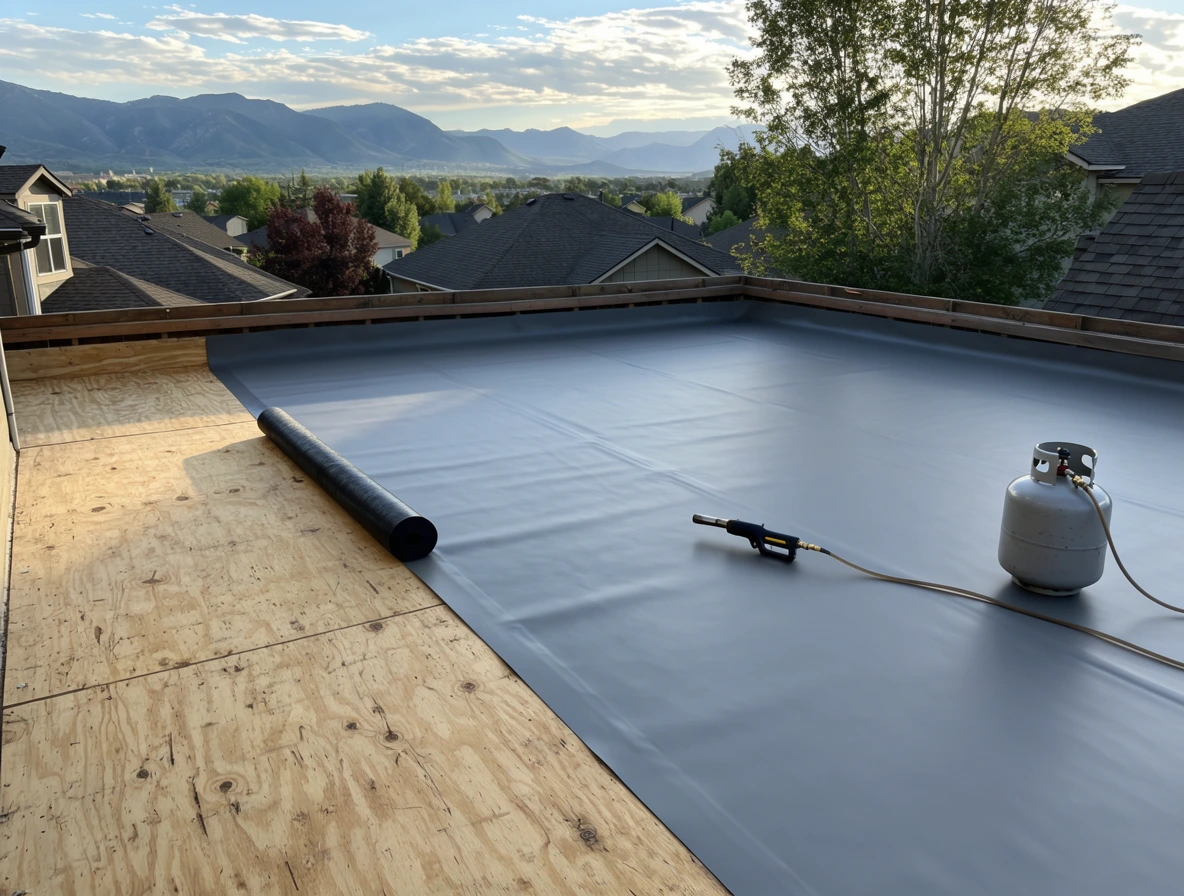
One of the biggest advantages of vinyl deck resurfacing is that it preserves your existing deck structure. If the joists, beams, and framing are in good condition – which they usually are when the membrane is replaced before serious moisture damage sets in – there’s no need to demolish and rebuild.

That saves significant time and money. A resurfacing project costs a fraction of what a full vinyl deck replacement would run, and it’s completed in days rather than weeks. You’re essentially getting a brand-new waterproof surface on top of a structure that still has years of service life remaining.

However, if the substructure inspection reveals extensive rot or structural compromise, your contractor may recommend partial or full replacement of the framing before resurfacing. A reputable installer will be transparent about what they find and give you honest options rather than covering up problems with a new membrane.

Choosing the Right Resurfacing Contractor in Coquitlam

Not all contractors have specific experience with vinyl deck membrane installation, and the distinction matters. Vinyl resurfacing requires precision cutting, professional heat-welding equipment, and an understanding of drainage engineering – skills that general contractors or handymen may not possess.

When evaluating contractors for vinyl deck resurfacing in Coquitlam, ask about their experience with membrane-specific projects. How many decks have they resurfaced? Do they heat-weld seams or rely on adhesive only? Do they inspect and repair the substructure as part of the job?

Ask about guarantees as well. A quality resurfacing job should come with written coverage for both materials and labour. Look for a contractor who stands behind their work and uses reputable vinyl products with manufacturer backing.

Local experience matters too. A Coquitlam-based or Lower Mainland contractor understands the specific weather conditions your deck faces and can recommend the right membrane weight, colour, and texture for maximum longevity. Pairing your resurfaced deck with complementary upgrades like a patio cover or new railings can transform the entire space while you’re already in project mode.

For homeowners considering a fully enclosed addition adjacent to the deck, a sunroom creates a seamless transition between protected indoor and resurfaced outdoor space.

Restore Your Coquitlam Deck with Professional Vinyl Resurfacing

Vinyl deck resurfacing is one of the smartest investments a Coquitlam homeowner can make – it extends the life of your existing structure, restores full waterproof protection, and gives your outdoor space a fresh, clean appearance at a fraction of the cost of a full rebuild. The key is acting before minor wear becomes major structural damage.

If your deck is showing signs that the membrane has reached the end of its life, request an assessment to find out what’s needed and get a transparent quote tailored to your property.

Frequently Asked Questions

How often does a vinyl deck need resurfacing?

Most vinyl deck membranes last 15 to 20 years before needing replacement. In Coquitlam’s wet climate, you may see signs of wear closer to the 12- to 15-year mark. Regular inspections help you catch issues early and plan resurfacing before the substructure is affected.

How long does vinyl deck resurfacing take?

A standard residential deck resurfacing in Coquitlam typically takes two to five days, depending on the deck’s size and whether any substructure repairs are needed. The new membrane is ready for foot traffic as soon as the installation is complete.

Can I resurface my deck myself?

Vinyl deck resurfacing requires specialized heat-welding equipment and precise installation techniques to achieve a watertight finish. DIY attempts often result in seam failures and moisture infiltration. Professional installation is strongly recommended to protect your investment and ensure the membrane performs as intended.

How much does vinyl deck resurfacing cost in Coquitlam?

Costs vary based on deck size, condition of the substructure, and the specific vinyl product chosen. As a general guide, resurfacing is significantly less expensive than a full deck tear-down and rebuild. A professional assessment of your deck provides the most accurate estimate for your specific situation.

Does resurfacing fix drainage problems?

Yes – if the drainage issues are related to membrane wear, lifted seams, or minor substrate warping. During resurfacing, the installer corrects surface imperfections and ensures proper slope for water runoff. If drainage problems stem from deeper structural issues, those are addressed during the substructure repair phase before the new membrane is applied.

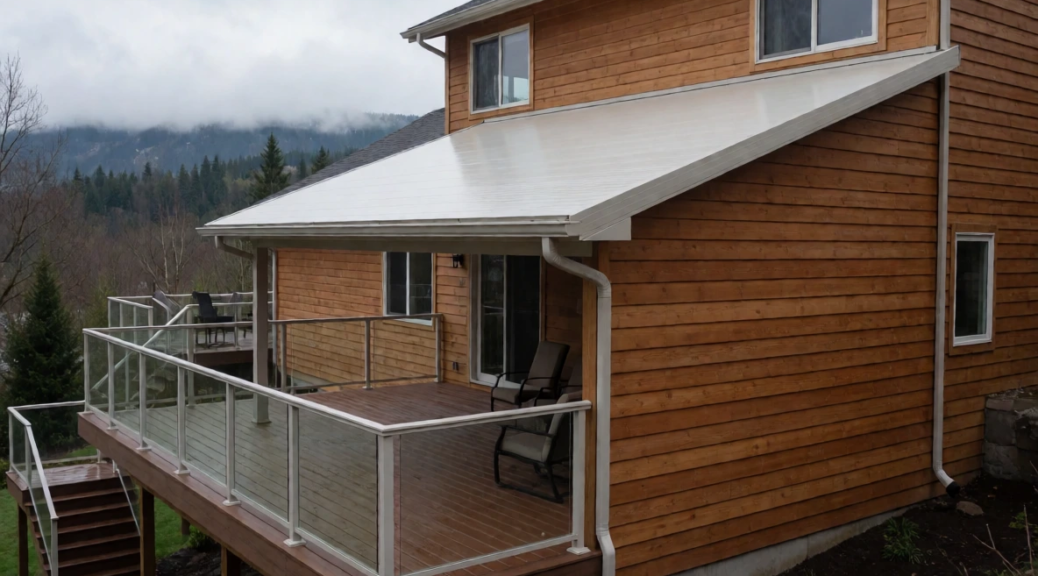
WE HAVE MANY STYLES OF PATIO COVERS AN RAILINGS